

Varese, 27 September 2016 - The water resources in our regions are heavily influenced by the quality of mixed wastewater discharges (domestic, industrial, rainwater, etc.). In highly anthropised areas, such as the Lombardy region, achieving good ecological quality objectives is still determined by urban sewerage networks today.
The estimate of 65 billion euros over thirty years as the investment requirement for the water service in Italy, based on area plans, appears highly insufficient to achieve quality objectives and to align ourselves with the best European practices, where per capita investment is at least double that of Italy.
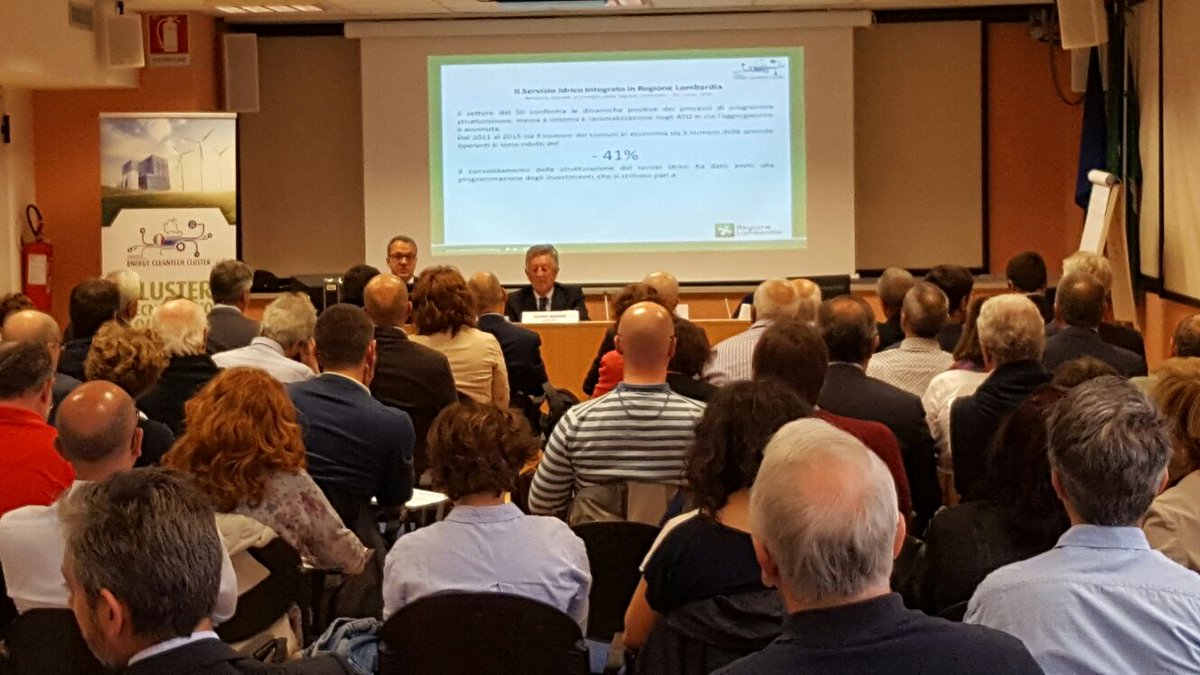
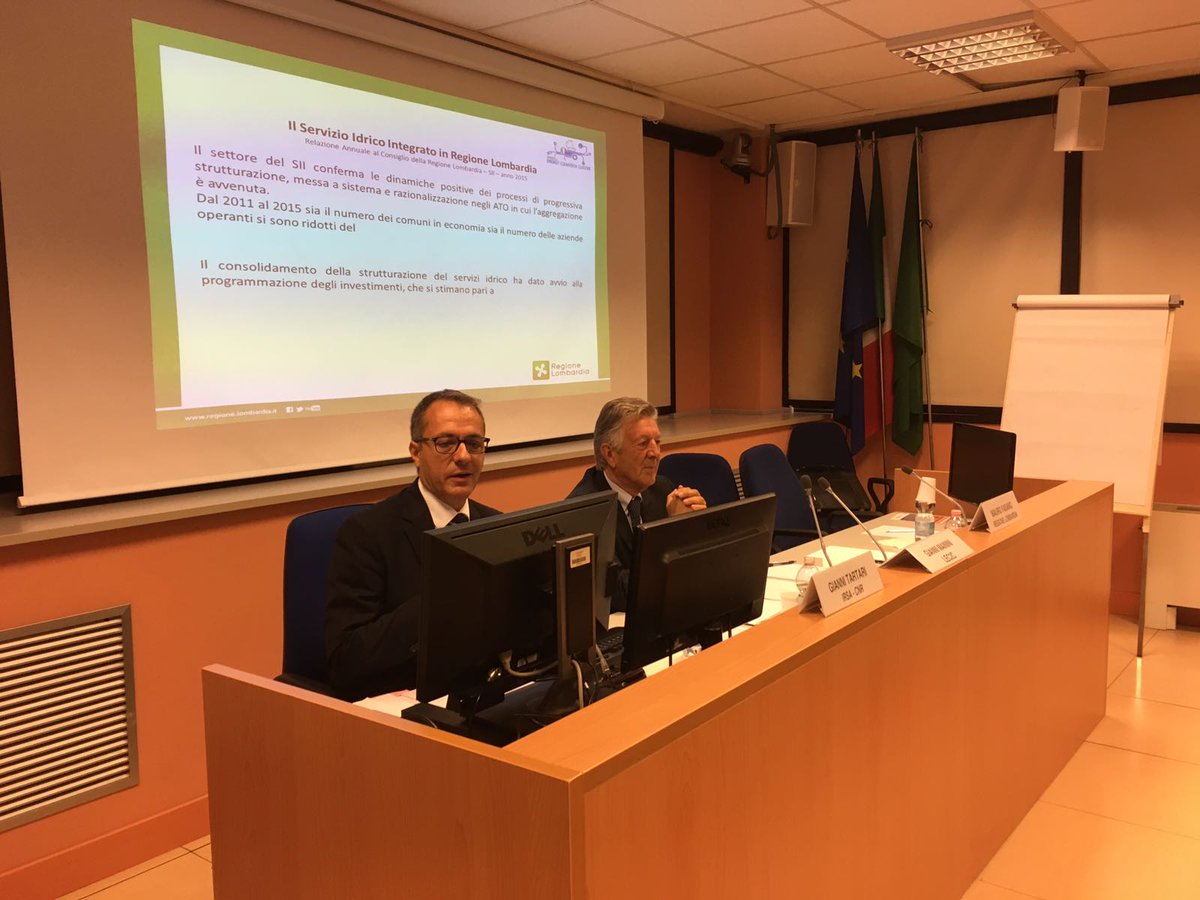
These issues were discussed at today's seminar, which focuses on identifying the appropriate tools to improve the protection of surface water bodies. The discussion centred on wastewater discharges from sewer systems, starting from needs, regulatory aspects, and protection objectives, through to potential projects, the technologies required and available in the Lombardy region, and the interactions between industry and research.
The LE2C Cluster (Lombardy Energy Cleantech Cluster), which promoted the initiative (with the patronage of Regione Lombardia, the University of Insubria, Confindustria Lombardia, and the Varese Industrial Union), firmly believes that it is necessary to introduce an approach based on new technologies and better integration between research and businesses. This should be capable of guiding the most innovative companies towards joint action with management, which can also serve as a driver for the local economy where research and technology can be applied concretely to become best practices.
“It is in this direction,” maintains Cluster President Gianni Mainini, “that we have invited the world of research to Varese, from the CNR to the University of Insubria and the Polytechnic University of Milan, alongside technical experts and public and private operators involved in the management and control of water systems. This is to offer us different points of view to enable the resolution of problems from a perspective of concrete innovation, making the most of resources that are already available and others that are yet to be attracted.”
“We believe this is just the beginning of a dialogue to allow for more continuous participation in identifying the best regional strategies to be implemented with all local stakeholders, engaging not only entrepreneurs but also local administrators, water service managers, researchers, and all parties who can provide support. We are here today in the Insubria area, where there are surface waters that still require attention for their recovery, and we are convinced that this initiative can also serve as an example for other territories in the Region,” states Cluster Manager Carmen Disanto, who hopes that by bringing all key stakeholders to the table to discuss how to concretely improve the condition of the region's waters, the Cluster will succeed in overcoming inertia and inefficiency.
“This is only the beginning. The Cluster intends to replicate this same seminar and roundtable model on other occasions and in other territories, convinced that integration and synergies can truly help the regional system solve problems related to environmental protection through clean energy sources, cultural change, and technological innovation,” concluded Disanto.
For further information:
Marisa Marini, LE2C Staff
info@energycluster.it – tel. 02 58370814
News
News
News
News
News
subscribe to the EEN newsletter