

Date:
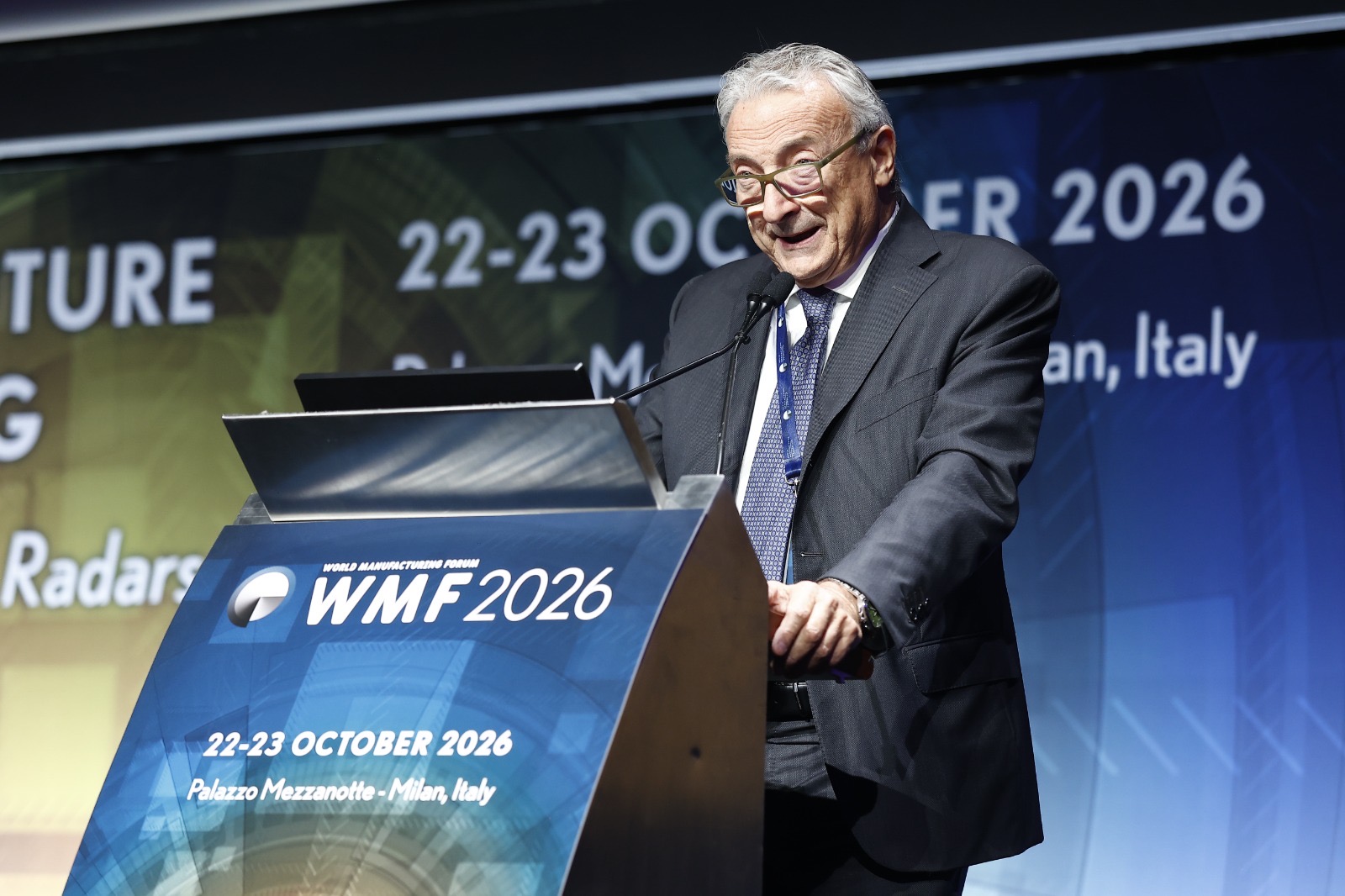
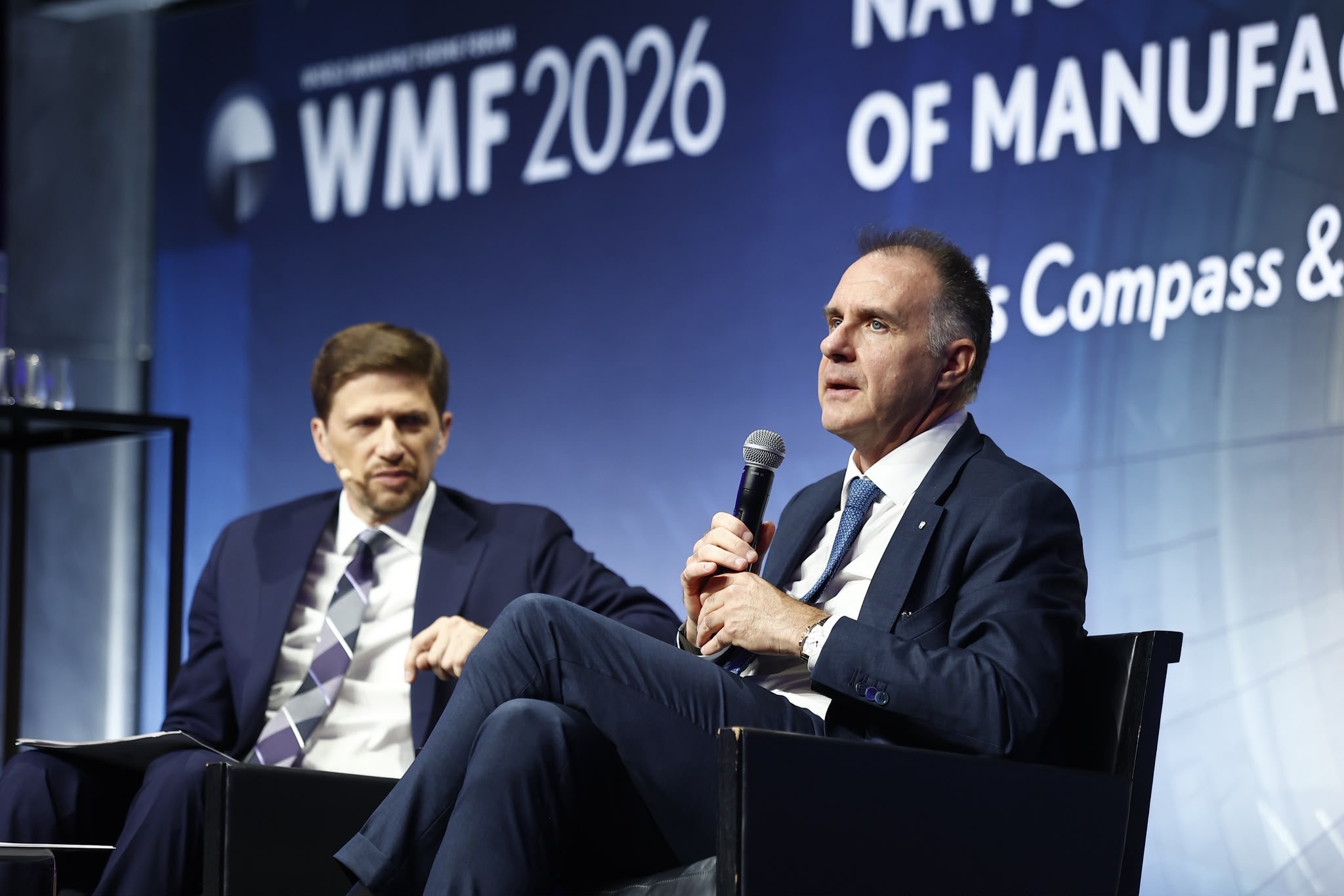
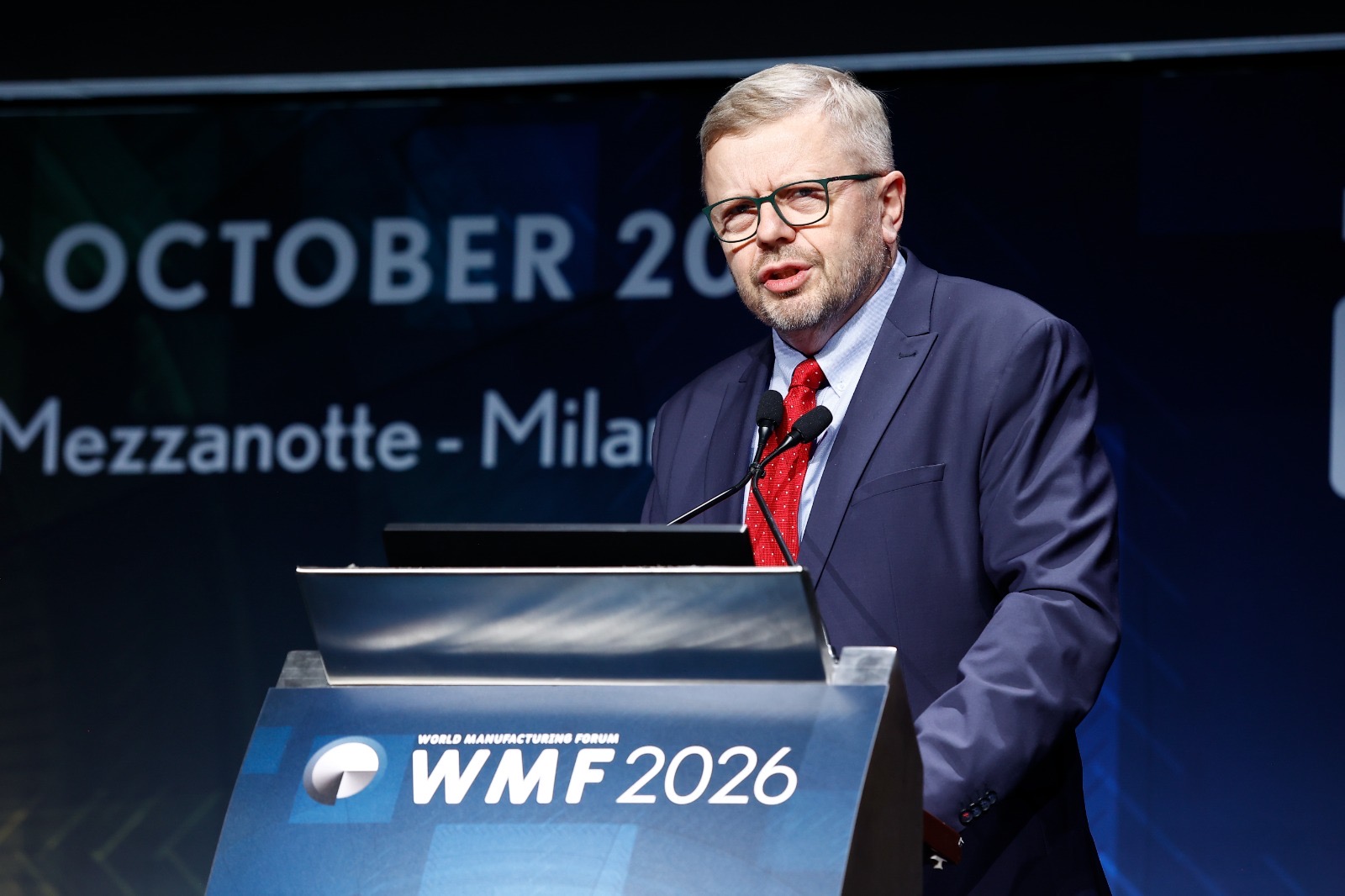
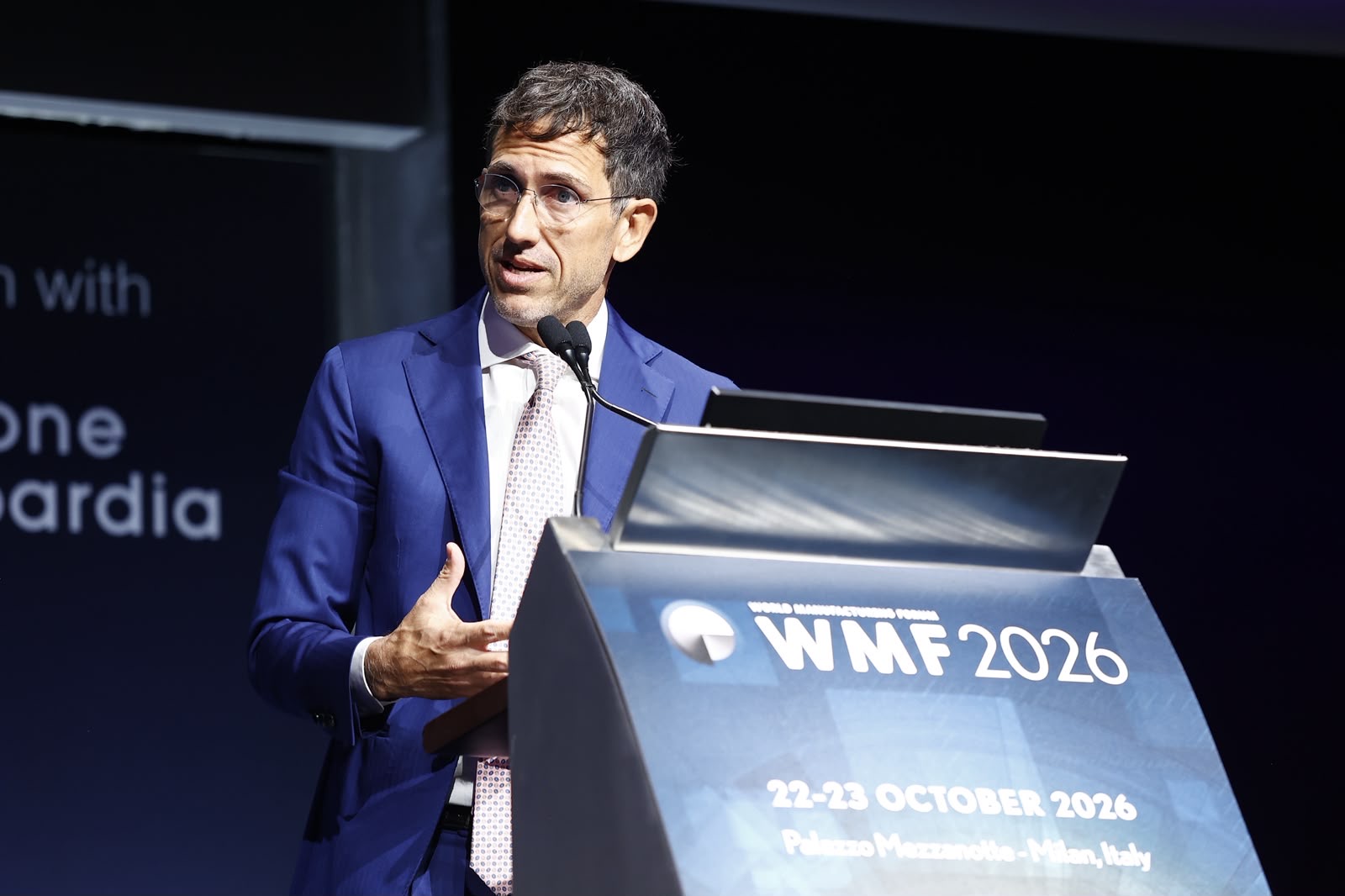
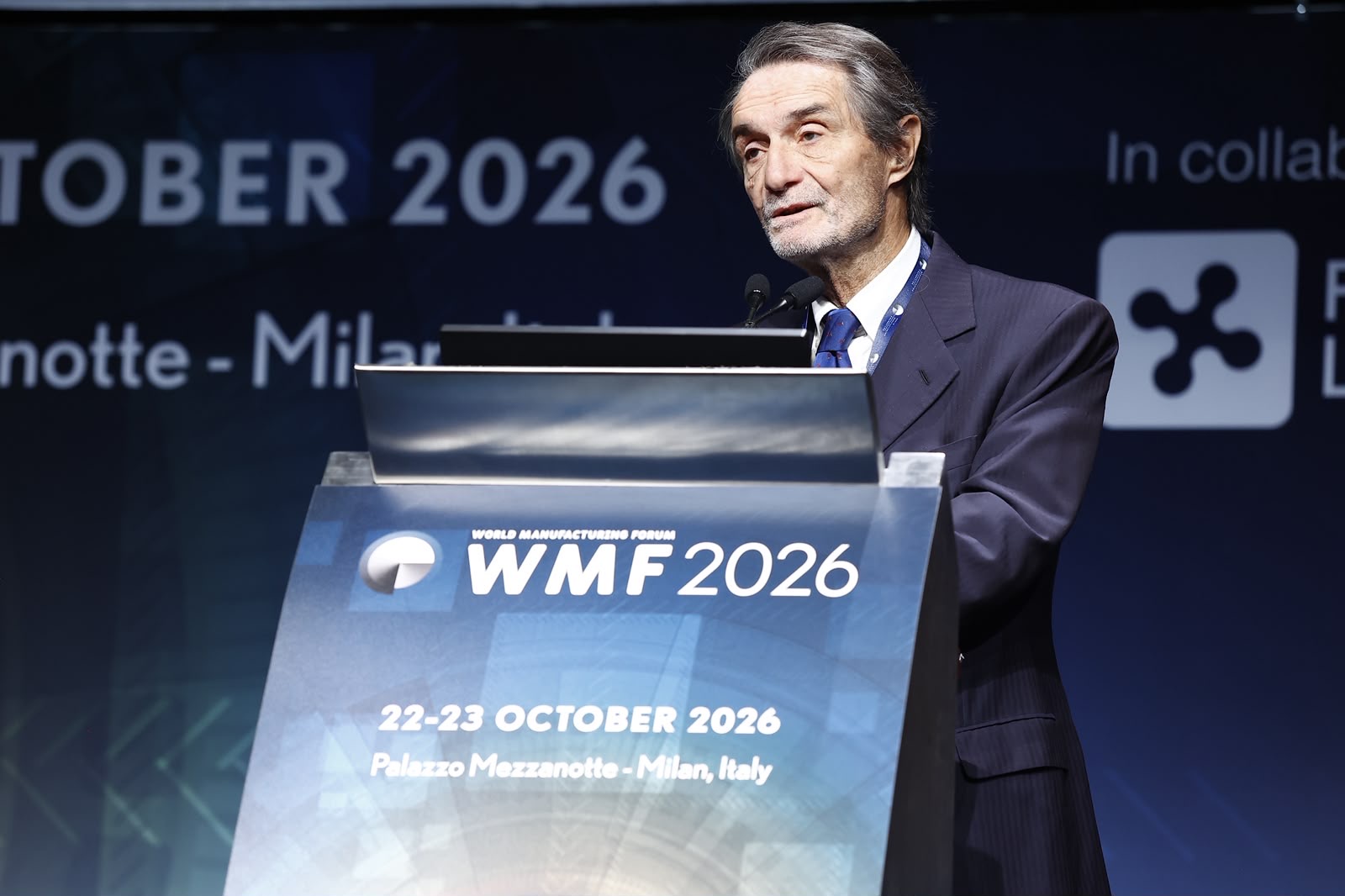
Milan, 22 October 2026 – The 14th edition of the World Manufacturing Forum opened today in Milan, the international event promoted by the World Manufacturing Foundation dedicated to the key transformations reshaping the future of manufacturing, titled: “Navigating the Future of Manufacturing: Trends Compass & Technology Radars”. International strategic policy experts, industry leaders, academic researchers, and technology innovators have gathered at Palazzo Mezzanotte to support the global manufacturing community in navigating emerging trends and technological opportunities. The two-day event sees the participation of 400 companies, 50 international speakers, and 10 production supply chains, in a discussion featuring 48 nationalities.
At the heart of this first day is the presentation of the World Manufacturing Report 2026. In a context where geopolitical tensions, climate change, demographic dynamics, and the rapid spread of artificial intelligence are intertwined, companies can no longer rely on a single forecast of the future. They need tools to continuously interpret change and decide where to intervene first.
The Report proposes two. The Trends Compass maps the geopolitical, economic, social, technological, regulatory, and environmental forces that are shaping supply chains and production systems. The Technology Radars evaluate five technology families (wearable devices and human-centric technologies; industrial data analysis; digital twins, augmented reality, and industrial metaverses; agentic and cognitive artificial intelligence; humanoid robotics) according to four dimensions: industrial readiness, strategic impact, current stage of adoption, and expected time for mass diffusion.
Regarding Trends: the main takeaway is that resilience, sustainability, and a human-centric approach can no longer be treated as a response to crises or as discretionary goals: they must become foundational factors for every project involving networks, plants, and technologies, and must be considered before these are defined. In terms of resilience, the Report urges companies to understand their critical dependencies beyond the first tier of supply, where a significant portion of disruptions originate, and to build flexibility into plants and products. Regarding sustainability, it identifies circular manufacturing and the sharing of interoperable data throughout the lifecycle, starting with digital product passports, as the path to reducing the use of virgin resources. Regarding the human element, it highlights the skills gap—identified by the World Economic Forum as the primary obstacle to transformation in 52 of the 55 economies examined—and the need to maintain effective human oversight of automated systems.
From the analysis of the Radars a cross-cutting result emerges: technological maturity does not automatically translate into industrial adoption. The greatest obstacles increasingly lie in the interfaces between technology, data, organisation, and people, and in the governance required to adopt innovations under conditions of trust. The path indicated is therefore gradual: scale technologies that already generate value, experiment and validate emerging ones with pilot projects, and build the data, standards, and skills that everyone needs.
The Report shows that over 60% of manufacturing executives plan to adopt artificial intelligence agents within two years, but less than 20% have already done so. A note of caution comes from an analysis by Gartner (an international IT consulting and research firm), which estimates that over 40% of agentic projects are at risk of cancellation by the end of 2027 due to rising costs or low added value. Regarding humanoid robotics, the market has entered the first phase of commercialisation, with estimates between 13,300 and 16,000 units in 2025—over 80% of which are in China—which will be used primarily in existing production environments rather than in new, fully automated plants.
The Report concludes with ten recommendations addressed to companies and institutions. The first five concern the use of the Trends Compass: systematically observe the external environment, involve diverse stakeholders in interpreting trends, prioritise in line with strategy, translate trends into initiatives with well-defined goals and resources, and periodically review the Compass. The other five concern the Technology Radar: continuously monitor emerging technologies, classify them by value impact on production and readiness for adoption, validate them with experiments and pilot projects, establish cross-functional technology governance with clear responsibilities and human oversight, and update the Radar regularly.
Giuseppe Pasini, President, Confindustria Lombardia: “Innovation, high production diversification, global outlook, the centrality of local areas, and macro-regional collaboration: all these elements make Lombardy—which is hosting the World Manufacturing Forum as a protagonist these days—the ideal place to become the manufacturing platform of the future through its development model. A model that, to face and overcome the challenges of the present and future, requires a series of strategic contextual levers: an energy mix at sustainable costs, autonomy in managing cohesion funds to enhance local areas and supply chains, access to critical raw materials, rules consistent with international competitors, and AI and cutting-edge technologies. Confindustria Lombardia, with responsibility and a sense of duty, offers a vision of the future that puts industry at the centre: if we want to avoid the forced deindustrialisation of the European continent, there is no more time to lose!”
Diego Andreis, President of the World Manufacturing Foundation: “The World Manufacturing Forum is evolving towards an increasingly international model, bringing countries with different industrial histories and development perspectives into dialogue. In a context of rapid technological transformation and great uncertainty, the challenge is to know how to distinguish structural changes from the hype of innovation, understand their real implications, and translate them into informed industrial choices. The Forum offers precisely this compass: a space for global discussion to guide the future of manufacturing and build new opportunities for cooperation.”
Attilio Fontana, President of the Lombardy Region: “Lombardy is the leading manufacturing region in Europe and wants to continue to be so by investing in innovation, skills, and attractiveness. We want to make artificial intelligence and emerging technologies concrete tools at the service of businesses, particularly SMEs. With the Innovation and Development Zones, we are networking research, training, infrastructure, and investment, enhancing the specialisations of our territories and making the Lombard ecosystem increasingly open and competitive, capable of attracting capital and talent and accompanying supply chains towards more solid, innovative, and sustainable growth.” These are the words of the President of the Lombardy Region, Attilio Fontana, who adds: “We have welcomed with great favour the willingness recently expressed by the Government to extend the Special Economic Zone to the North as well. We look forward to making this initiative operational, which we are certain will allow Lombardy to run even faster.”
Donatella Sciuto, Rector, Politecnico di Milano: “The World Manufacturing Forum represents an important opportunity for discussion between companies, universities, and institutions on one of the decisive challenges for the future: guiding the transformation of manufacturing in a phase of great technological, industrial, and social complexity. The future cannot be navigated by following a single route: it requires the ability to read different signals, connect skills, and build alliances. It is from this perspective that the Politecnico di Milano intends to make its contribution: by integrating training, research, and innovation to transform technologies into industrial competitiveness, sustainable development, and value for the country.”
Marco Taisch, Scientific Chairman, World Manufacturing Foundation: “The World Manufacturing Forum was created to produce scenario analyses that institutions and companies can adopt immediately as part of their operational decisions. The WMF Report 2026, shared in conjunction with the event, has precisely this function: to provide a method that helps interpret the uncertainty of the present. The results we have illustrated tell managers and policymakers this: technology alone is not enough. The barriers to development are found in data management, organisational structures, operator upskilling deficiencies, and governance architectures. It is on these levels that industrial policy—European, national, and regional—will have to concentrate its resources in the coming years. The industry and policy that can anticipate changes will generate lasting growth. The WMF represents, year by year, the place where that capacity for anticipation is built. And it is an honour for Milan, I believe, to host this important event.”
subscribe to the EEN newsletter