
.jpg)
Data:
4 December 2025
Categoria:
Territorial Policies
The initiative was first launched in 2016 by Assolombarda and the Unione Industriali di Torino, but has since been joined by numerous territorial associations within Confindustria: Confindustria Bergamo, Confindustria Brescia, Confindustria Como, Confindustria Lecco e Sondrio, Confindustria Varese, Associazione Industriali Cremona, Confindustria Alto Milanese and Confindustria Mantova in Lombardy; Confindustria Cuneo, Confindustria Alessandria, Confindustria Novara Vercelli Valsesia and Unione Industriale Biellese in Piedmont; Confindustria Veneto Est, Confindustria Vicenza and Confindustria Verona in Veneto; Confindustria Alto Adriatico in Friuli-Venezia Giulia; Confindustria Emilia Area Centro, Confindustria Reggio Emilia, Confindustria Piacenza, Confindustria Romagna and Unione Parmense degli Industriali in Emilia-Romagna; Confindustria Toscana Centro E Costa in Tuscany; and Confindustria Ancona in the Marche region.
Four additional associations have joined in this edition: Confindustria Udine, Confindustria Genova, Confindustria La Spezia and Unione Industriali Savona.
A common trait among these 29 associations is the nature of their membership base: innovative, often internationalised companies with significant investments in human capital, which are therefore interested in more detailed information on personnel management.
In total, nearly 1,700 companies collaborated on the survey, covering over 330,000 employees, with detailed personal and professional information provided for 125,000 of them.
The high level of participation has enabled the production of 17 different results reports, each referring to a specific territorial area which, based on the volume of data collected, coincides with a province or an aggregate of adjacent provinces that can be considered the relevant territorial scope for those performing specific roles.
The methodological partner for the initiative is ODM Consulting, which has also provided in-depth contributions for this edition of the report.
In particular, in Chapter 3 - Fair and transparent remuneration policies, dedicated to the impact of the transposition of Directive (EU) 2023/970 on pay transparency, ODM Consulting outlines the various approaches companies are adopting to prepare and demonstrates the potential effects of fair and transparent management on employee engagement and attraction.
On this topic, between July and September 2025 (in parallel with the remuneration survey), the Associations conducted a poll, the results of which—included in the section "The pulse of the situation among companies: survey findings"—provide an overview of the current context.
The other contribution from ODM Consulting is included in Chapter 4 - International differentials, which supplements the local remuneration map with information on pay differentials in major OECD countries: the data updates the previous 2023 analysis to 2025.
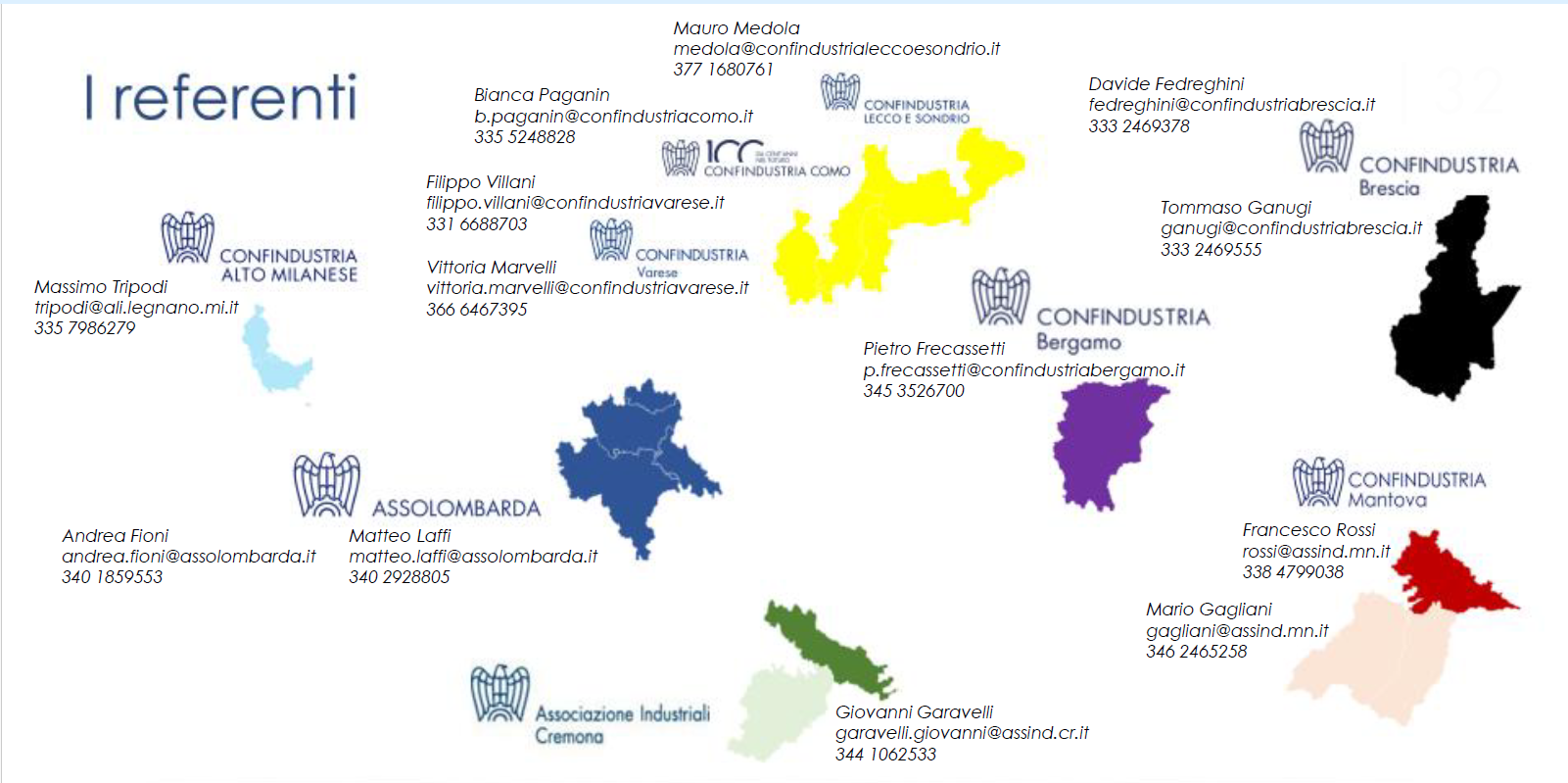
For further information, please contact your local Territorial Association or the one relevant to your area.
At this link you can consult the materials from the survey presentation webinar titled "The remuneration map in Lombardy – Attraction and retention levers in personnel management".

subscribe to the EEN newsletter