

Date:
21 July 2015
Alberto Ribolla: the social role of businesses is emerging strongly in Lombardy
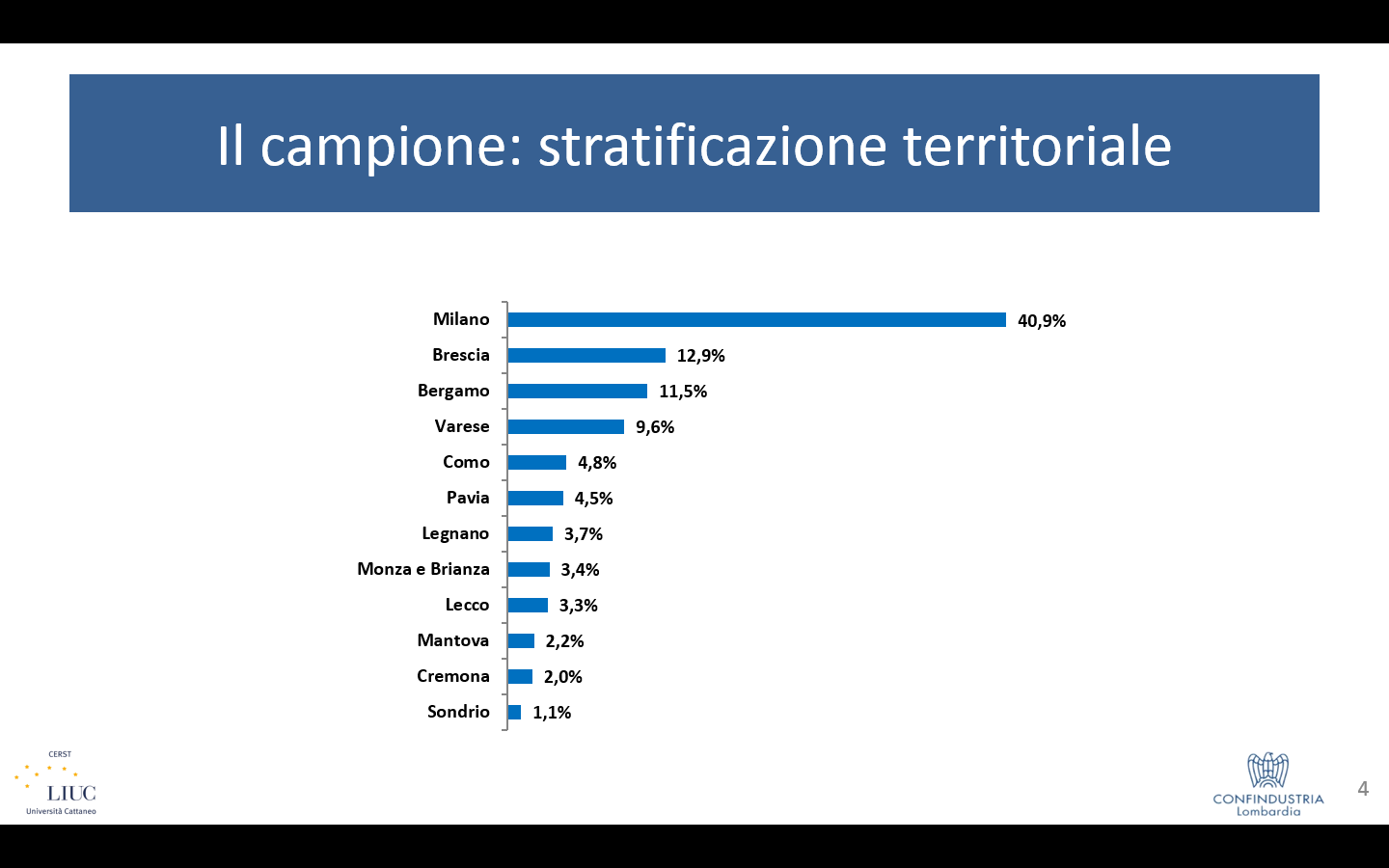
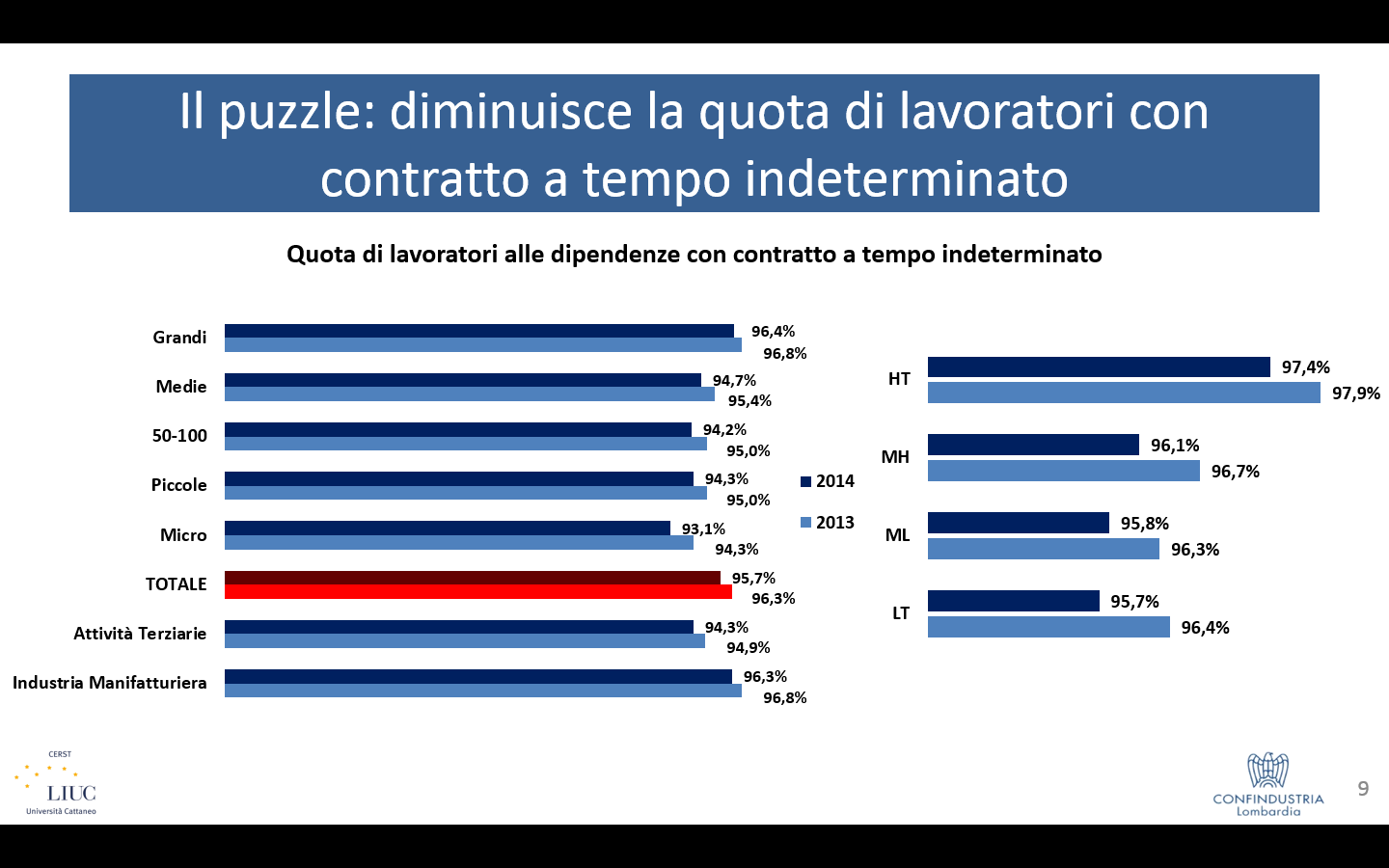
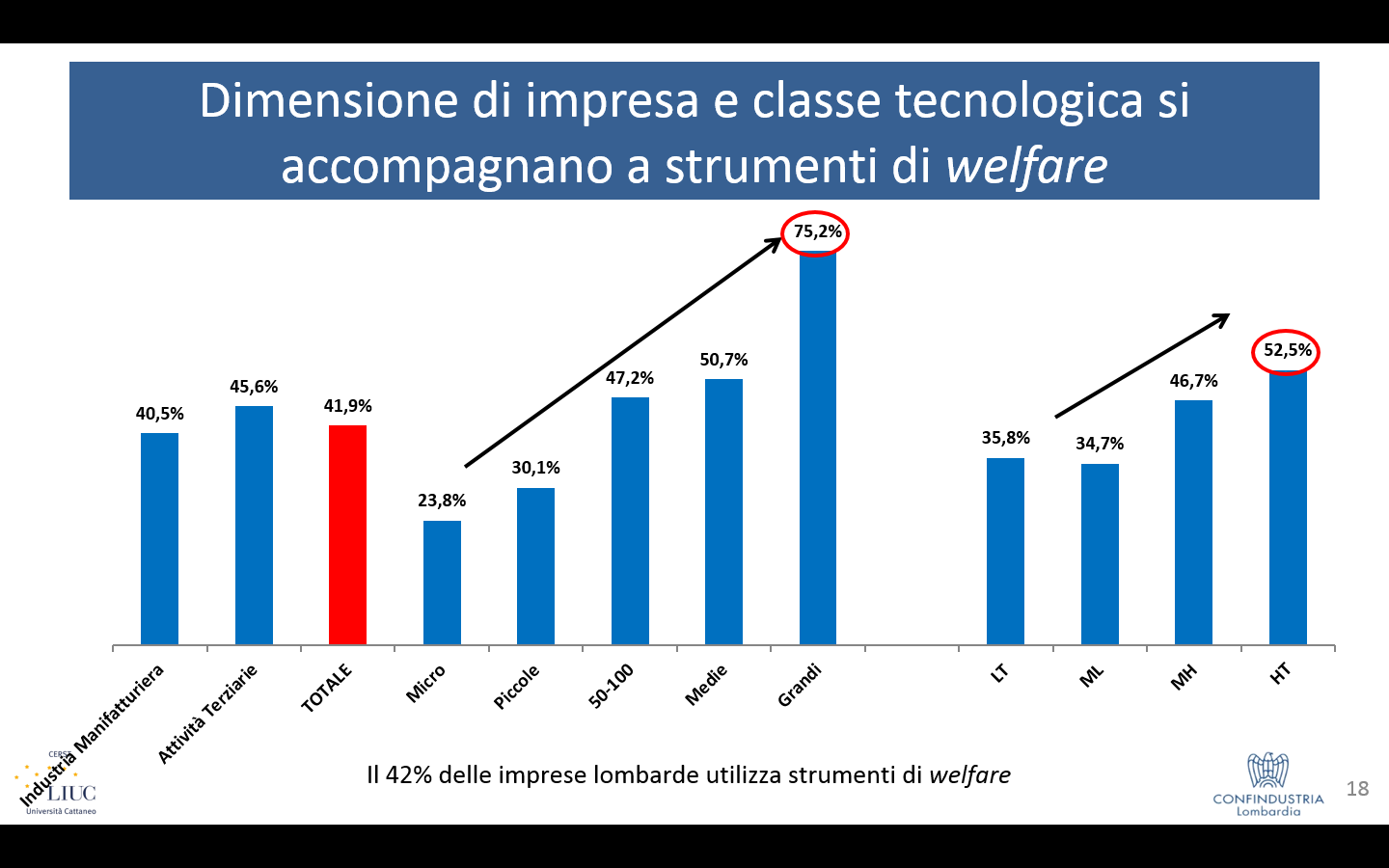
Milan, 21 July 2015 – For the Lombardy labour market, 2014 was a year of suspension and waiting. There was no shortage of positive signs, particularly among medium and high-tech companies, alongside confirmation of certain uniquely Lombard characteristics. Specifically, the high rate of female employment, a slight contraction in permanent contracts, and the significant attention paid by companies to corporate welfare programmes were confirmed. These are the contrasting signals that emerged from the 'Labour in Lombardy – 2015 Report' survey, conducted by the Confindustria Lombardia Research Centre in collaboration with the LIUC – Cattaneo University, on a sample of 1,430 companies representative of all Lombard provinces.
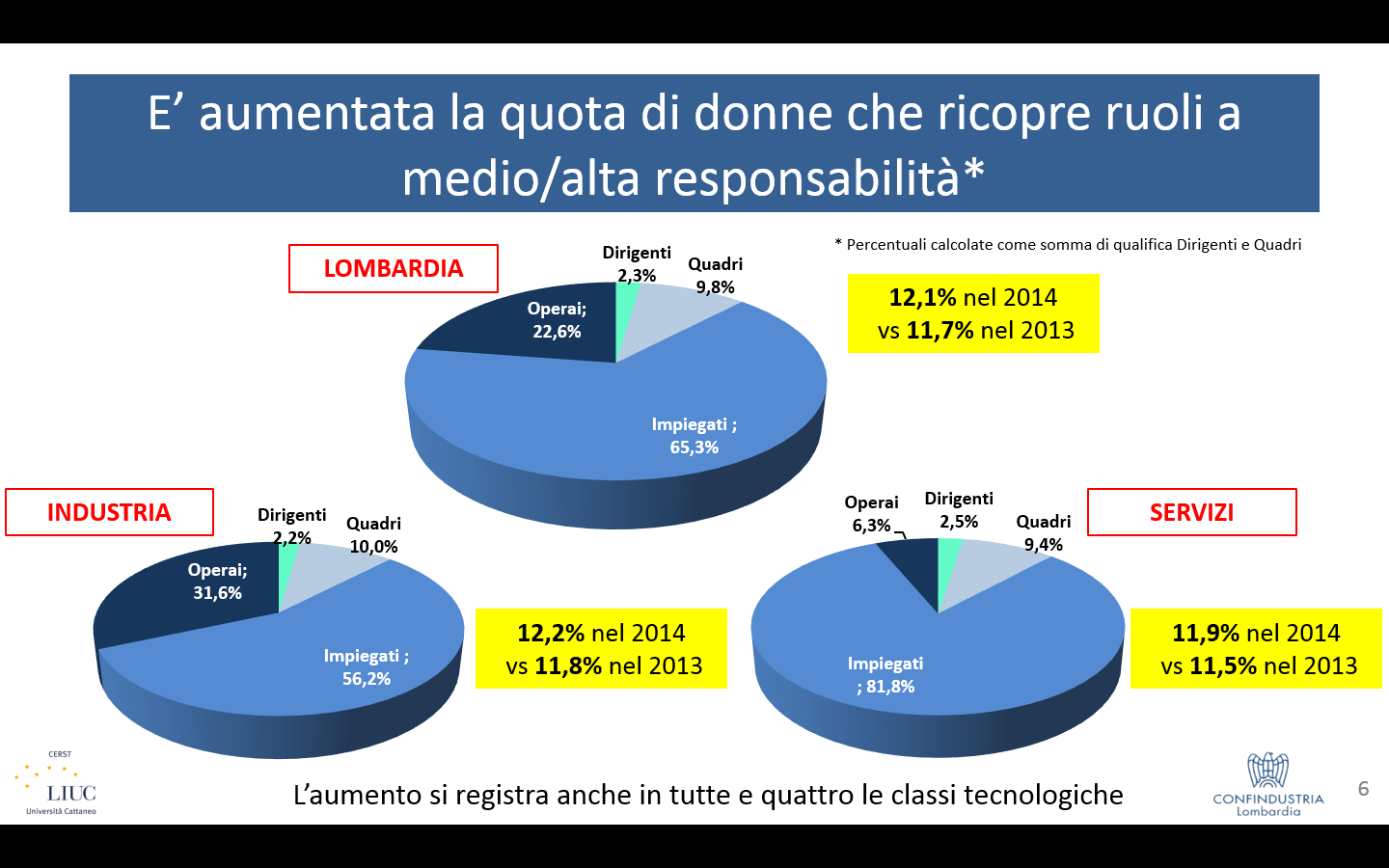
“As our regional monitoring shows – explains Alberto Ribolla, President of Confindustria Lombardia – a climate of confidence and cautious optimism returned among our companies in 2014. Lombard entrepreneurs have always been very attentive to the context and new developments. This is demonstrated by the stand-by on permanent contracts while awaiting government reforms, but also by the focus on corporate welfare: in a period of crisis, the social role played by our companies is emerging strongly, as they have decided to increase corporate welfare programmes rather than make cuts. The increase in the presence of women in decision-making roles and within companies more generally is also synonymous with entrepreneurial maturity.”
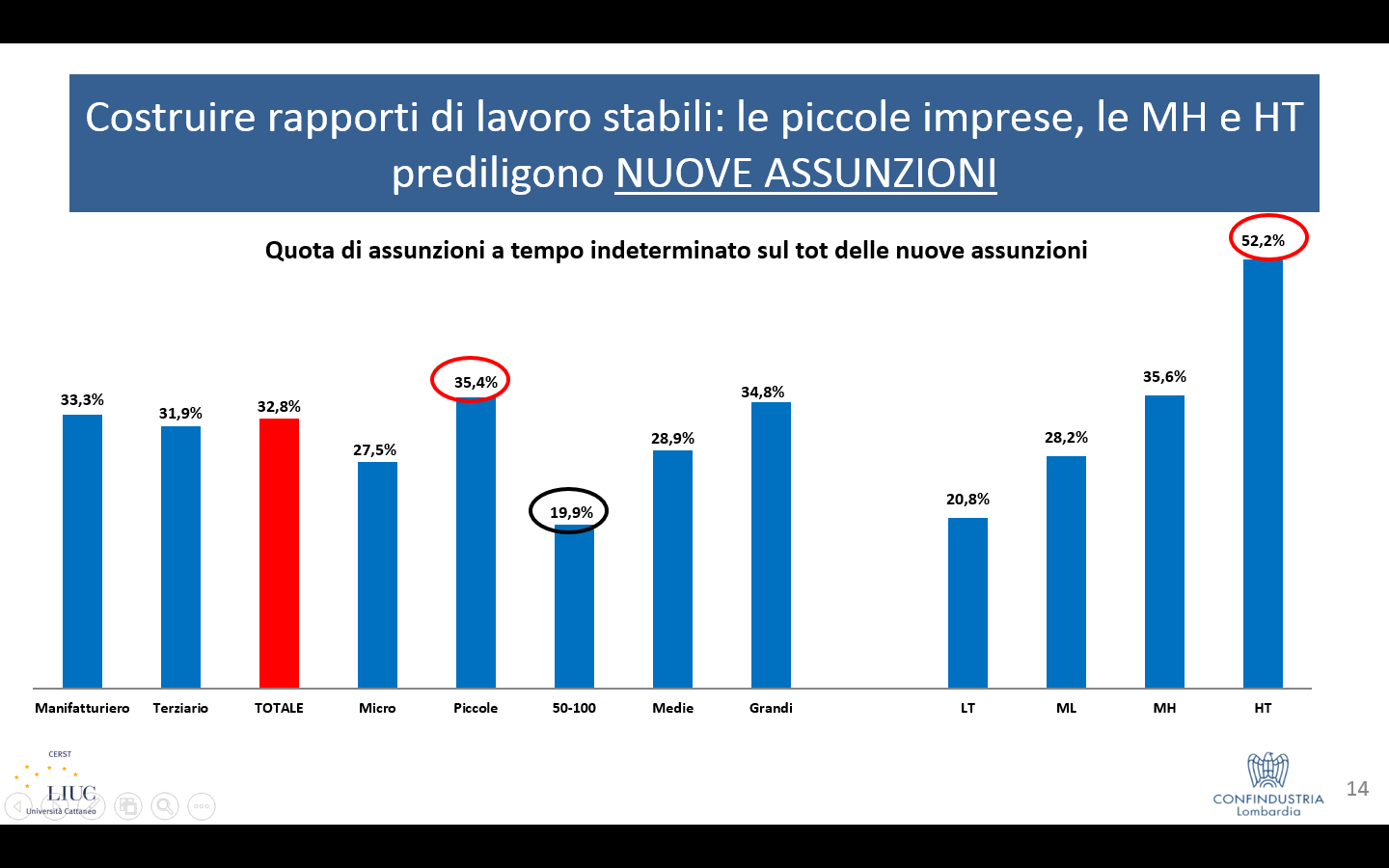
“The greater dynamism of companies in the medium and high-tech sectors that emerged from the data – adds the President of Confindustria Lombardia – testifies that the path taken by our manufacturing companies is the right one. The next leap is towards Industry 4.0, but to manage this transition, we need investment, including in high-skilled human resources, as well as a public-private steering committee,” concludes Alberto Ribolla.
The following are the most significant details from the 8th edition of the Confindustria Lombardia 'Labour in Lombardy' Report, a survey that will be released in full in September:
The sample analysed by the Confindustria Lombardia Research Centre consists of 1,430 member companies with 213,467 employees. 72.4% of the sample companies belong to the manufacturing industry, and 27.6% to the service sector. The sample covers all size classes and all technological intensity classes homogeneously (Low Tech 22.4%, Medium Low 35.9%, Medium High 32.1%, High Tech 9.6%).
subscribe to the EEN newsletter