

Date:
1 December 2015
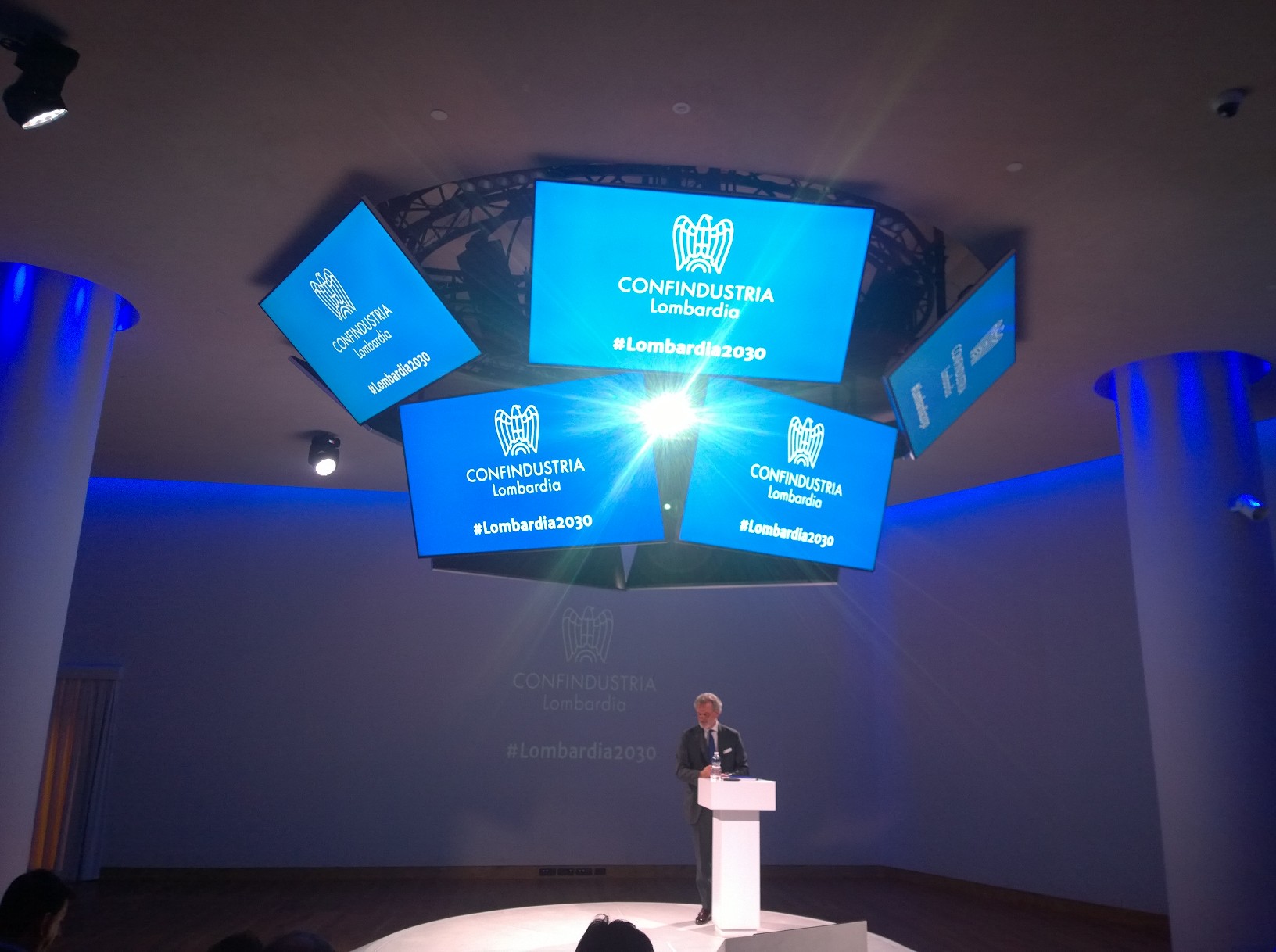
Ribolla: “The goal is to enable Lombardy to compete with the most advanced regions in the world, building on our strengths and the central role of manufacturing”
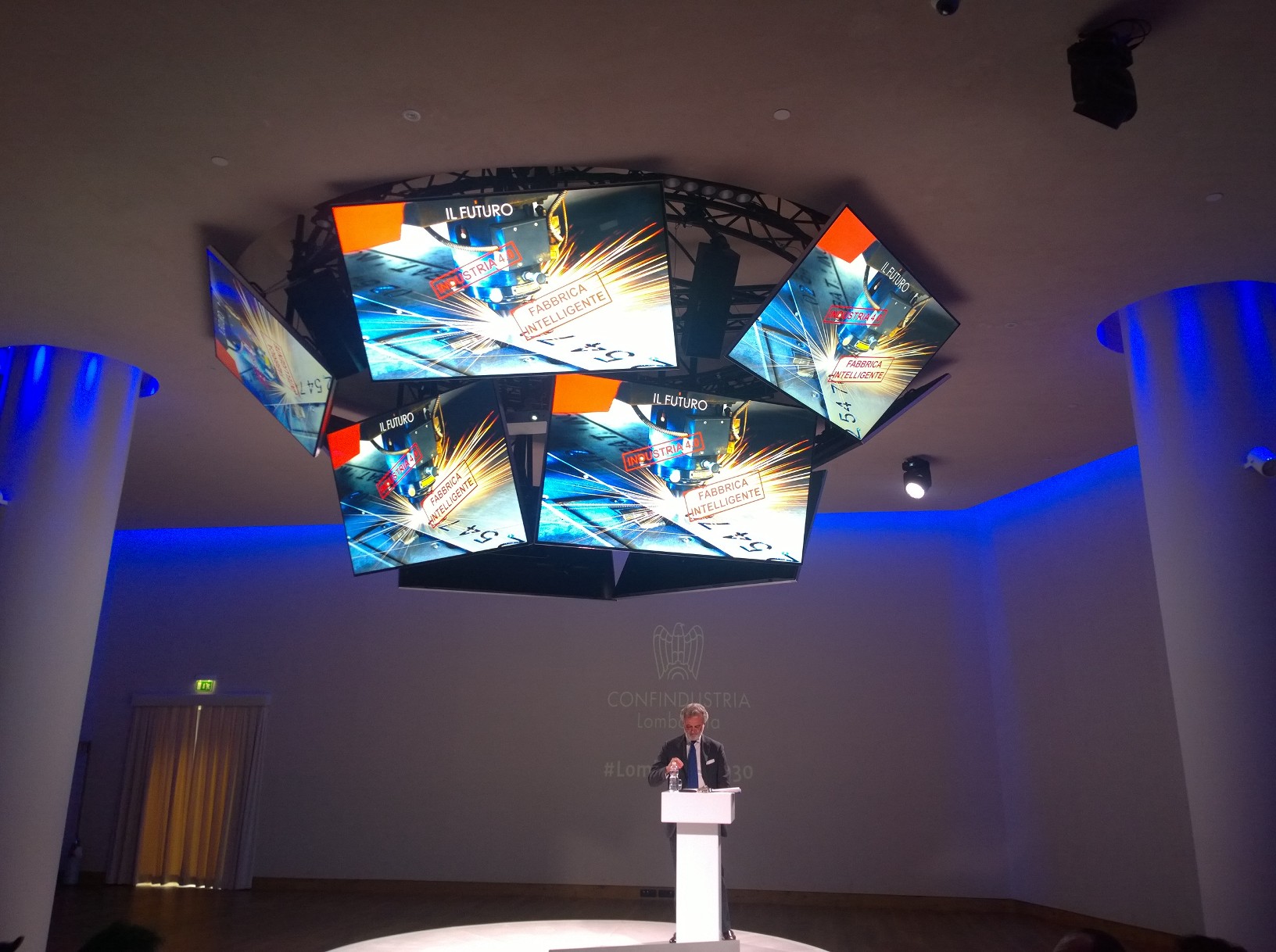
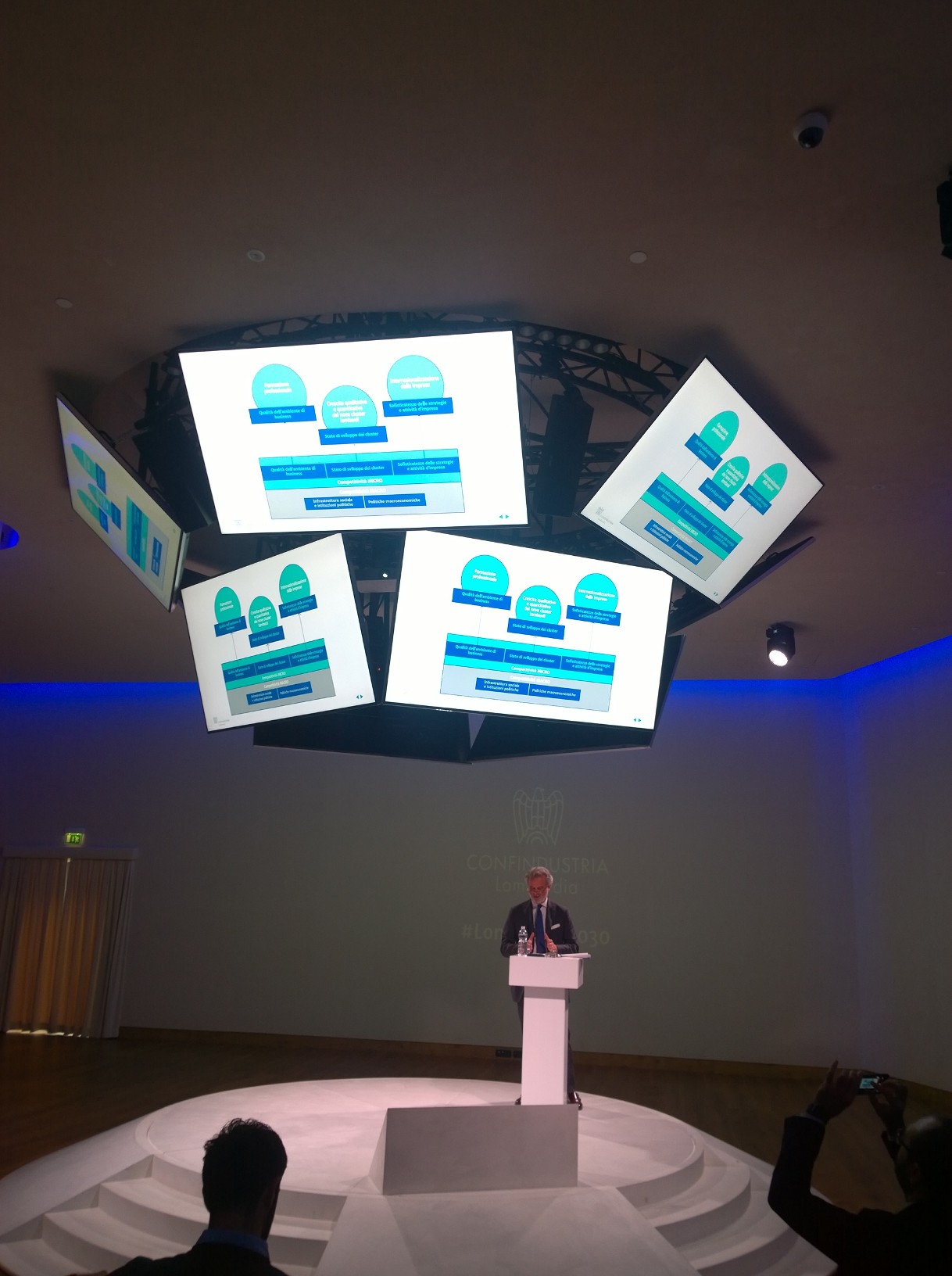
Milan, 1 December 2015 – Confindustria Lombardia presented its #Lombardia2030 strategic plan today at the Samsung District in Milan. Developed in collaboration with LIUC University and with contributions from the Edison Foundation and the Confindustria Study Centre, #Lombardia2030 proposes a strategy, shared with Lombardy’s territorial associations and to be implemented with regional, national, and European stakeholders, for the development and competitiveness of industry and the region. The strategy identified by Confindustria Lombardia aims to guide the Lombard industrial system—of which manufacturing is the beating heart—towards a path of growth and development, including through the transition to Industry 4.0, by acting on four priority levers: business culture, clusters, human capital and vocational training, and internationalisation and European networks.
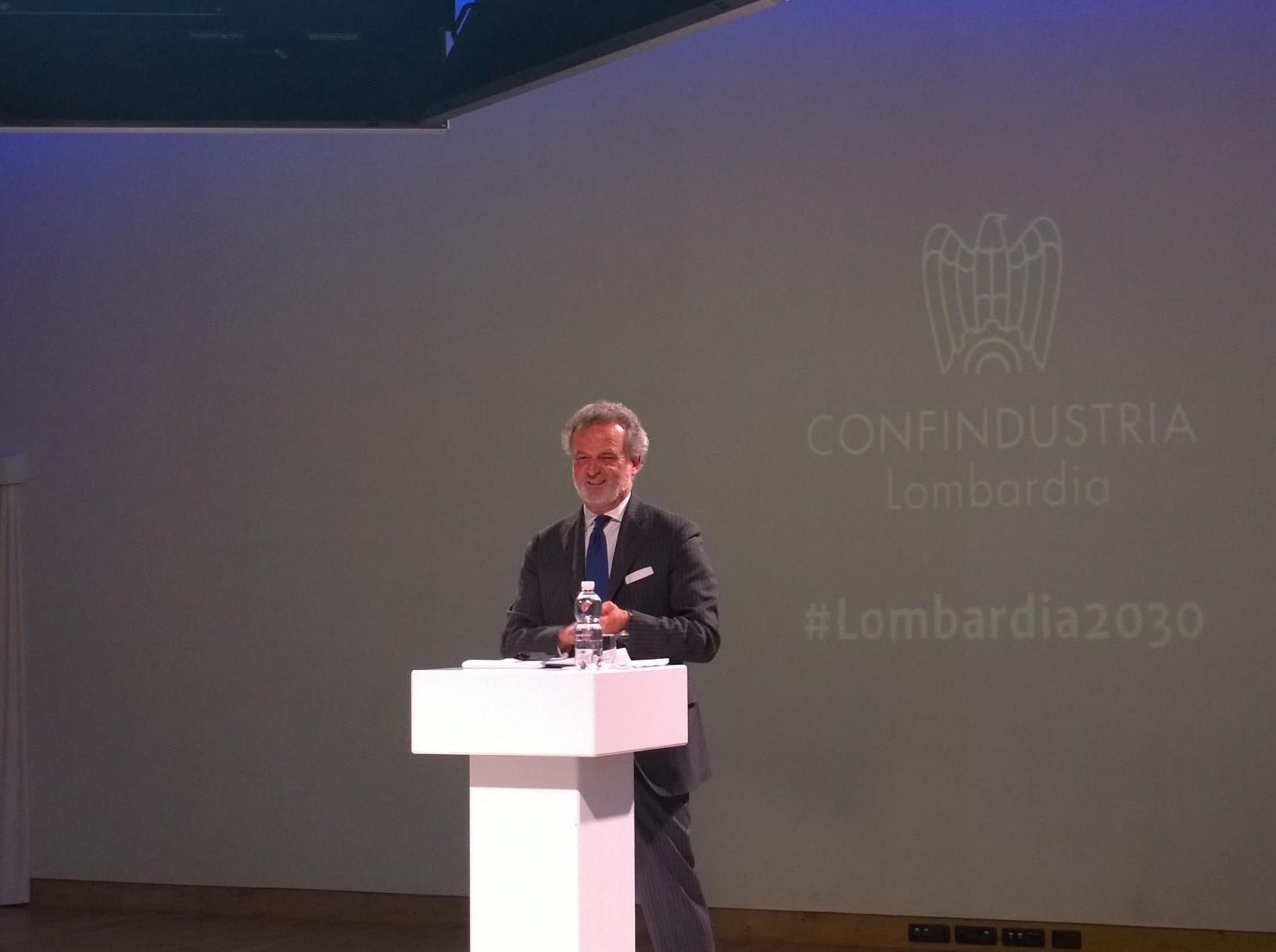
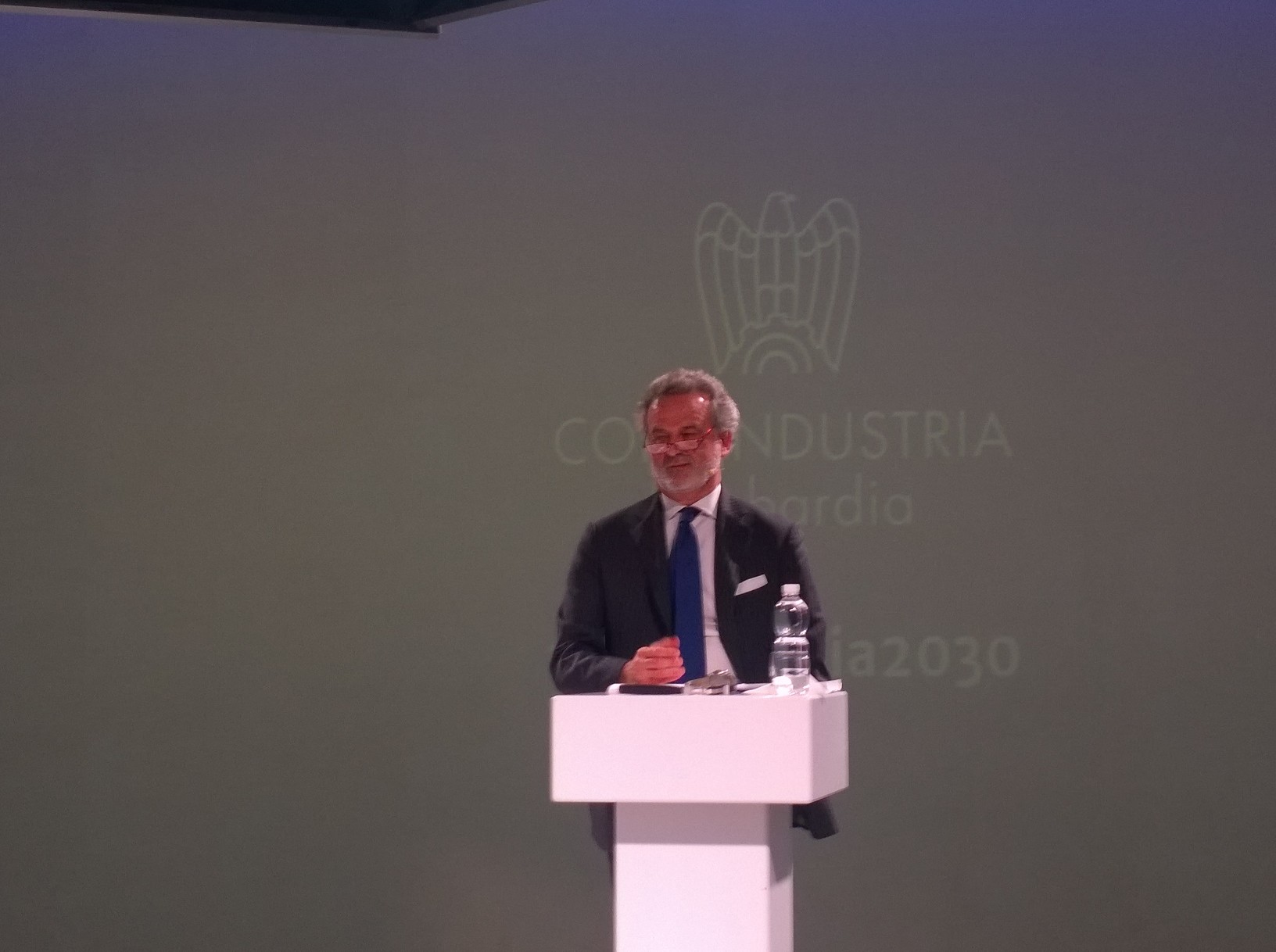
“The #Lombardia2030 Strategic Plan aims to act on the determinants of the system’s competitiveness to ensure development and widespread prosperity, based on the premise that the competitiveness of businesses cannot be separated from the growth of the territories and society in which they operate. Confindustria Lombardia intends to pursue the growth of its industrial system—with manufacturing at its core—aware that the prosperity generated resonates with all stakeholders, as well as the social and cultural dimension of the entire region (and the whole country),” stated Confindustria Lombardia President Alberto Ribolla.
“The vision that Confindustria Lombardia has for 2030 – continues Ribolla – is our view of where we want to arrive and what kind of Lombardy we want to have: a region that is even more developed and capable of competing with the most advanced areas of the world, with a high quality of life, qualified human capital, and the integration of all its social components in a sustainable and secure environment. These are objectives that, with the fundamental contribution of all Lombardy’s territorial associations, will only be achievable through strong collaboration with institutions and other stakeholders.”
The starting point for the proposed strategy is the region’s many strengths. Indeed, as emerged from the study[1] carried out by the Edison Foundation for the strategic plan, Lombardy is the most competitive region in Italy and among the most competitive in Europe:
- Lombardy is the second-largest European region in terms of GDP generation (NUTS2);
- in terms of industrial value added, it ranks first among NUTS2 regions and fifth among NUTS1 regions (preceded by giants such as Baden-Württemberg, Bavaria, and North Rhine-Westphalia);
- second in terms of generating total value added (NUTS2);
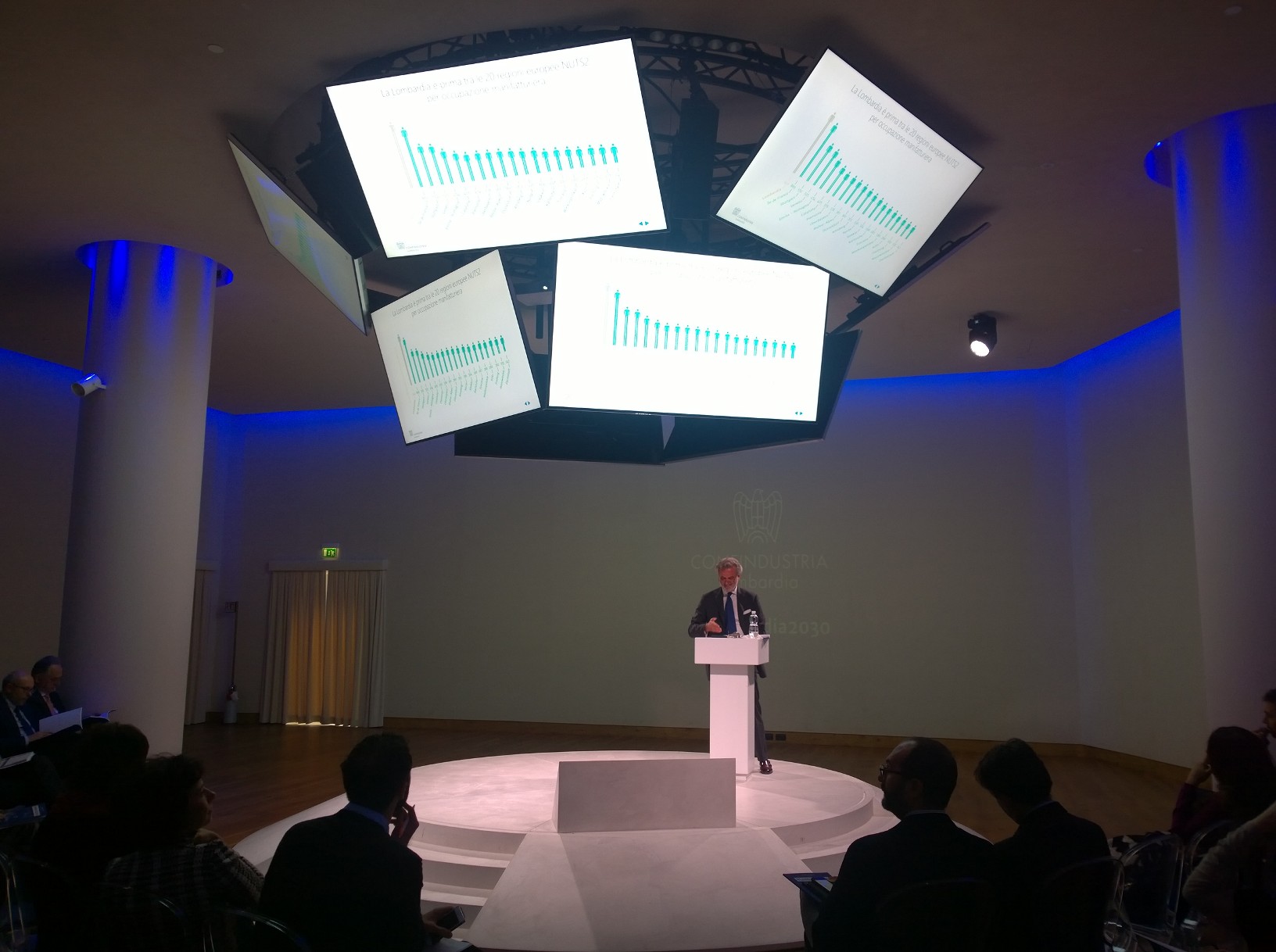
- first for manufacturing employment (NUTS2);
- Lombardy’s exports, which account for approximately one-third of national exports, are comparable to those of entire nations: in a ranking of EU countries, Lombardy would place 11th;
“By building on our strengths and the central role of manufacturing, the entire Lombard production system will be able to evolve and tackle the transition to Industry 4.0, paving the way for an inclusive transformation that will also impact other sectors such as crafts, services, and commerce, and will generate qualified employment while increasing employability. However, to maintain and increase competitiveness, it is necessary to implement all measures that can support and improve productivity,” declared Alberto Ribolla.
Confindustria Lombardia has identified four factors that must be addressed in order to seize the opportunities offered by the new competitive landscape in the long term:
BUSINESS CULTURE
The pervasive anti-industrial culture still represents a brake on the full expression of business competitiveness in Italy today. Business creates cohesion and enriches the social fabric of a territory, contributing to its well-being. Therefore, we need to promote a business culture not only as a synthesis of traditional knowledge and values, but also as a source of growth and progress.
CLUSTERS
There is a positive correlation between the strength of clusters and the growth of regional industries, and the consolidation of Lombardy’s technological clusters can have a significant impact on the entire Lombard economy. Clusters facilitate the development of patents, promote economic growth, create new high-value-added jobs, and allow SMEs to bridge the size gap.
HUMAN CAPITAL AND VOCATIONAL TRAINING
Excellent human capital is the foundation of a territory’s ability to be competitive. The success of businesses has always been inextricably linked to the quality of the young people trained in schools. #Lombardia2030 proposes a synergistic vision between the two methods of enriching human capital: classroom training and on-the-job training, so that they reinforce one another. Better human capital means higher wages and a wealthier, more balanced society.
INTERNAZIONALIZZAZIONE e NETWORK EUROPEI
La strategia proposta si muove su due binari paralleli: la promozione del sistema industriale lombardo consolidando nuove prassi e incrementando scambi con l’estero; il fare sistema a livello regionale presidiando Bruxelles, dove è necessario parlare con una voce unica per avere maggiore forza. Rilevanti sono poi la diffusione di Enterprise Europe Network, e la strategia per la Macroregione Alpina EUSALP.
L’attuazione di queste strategie, secondo la simulazione del Centro Studi di Confindustria, genererebbe:
- Aumento dell’occupazione: +110 mila posti di lavoro nel manifatturiero (entro il 2030);
- Aumento dell’export del 3% medio annuo fino al 2030, che comporterebbe un aumento del valore aggiunto manifatturiero dell’1,6% annuo (portando a un aumento di PIL intorno allo 0,7% aggiuntivo all’anno);
- Valore aggiunto manifatturiero al 23,8% (entro il 2030);
- Aumento del tasso di occupazione femminile (il PIL lombardo aumenterebbe del 4,1% a fronte di un aumento di 5,9 punti del tasso di occupazione delle donne);
- Aumento del livello di istruzione (se aumentasse di tre anni il livello di istruzione medio in Lombardia, il PIL regionale crescerebbe del 19,6% entro il 2030);
- Aumento della quota di forza lavoro occupata in attività legate a scienza e tecnologia (se si arrivasse al 38% rispetto all’attuale 30% il PIL crescerebbe del 10,9% entro il 2030);
In questo modo la Lombardia colmerebbe il gap con le migliori aree d’Europa raggiungendo un livello di prosperità che si tradurrebbe in uno standard di vita e in un benessere crescenti e sostenibili.
“#Lombardia2030 è l’assunzione di responsabilità del sistema Confindustria Lombardia per il futuro della regione, una regione consapevole del suo ruolo di traino dell’economia nazionale e fortemente integrata nel contesto europeo. La richiesta forte e appassionata del mondo industriale lombardo è quella di costruire, insieme alle Istituzioni e agli altri stakeholder, le condizioni per raggiungere un elevato e crescente livello di produttività (del lavoro, del capitale e delle risorse naturali) che deve interessare in egual misura il privato, la pubblica amministrazione e i corpi intermedi della nostra regione e del Paese. Non si fa nulla da soli e non si crea valore senza condivisione delle strategie” ha concluso Alberto Ribolla.
[1] svolto comparando la Lombardia con regioni di rango equivalente (NUTS2) o superiore (NUTS1) in base alla classificazione dei territori dell’Unione Europea
subscribe to the EEN newsletter