

Date:
16 October 2015
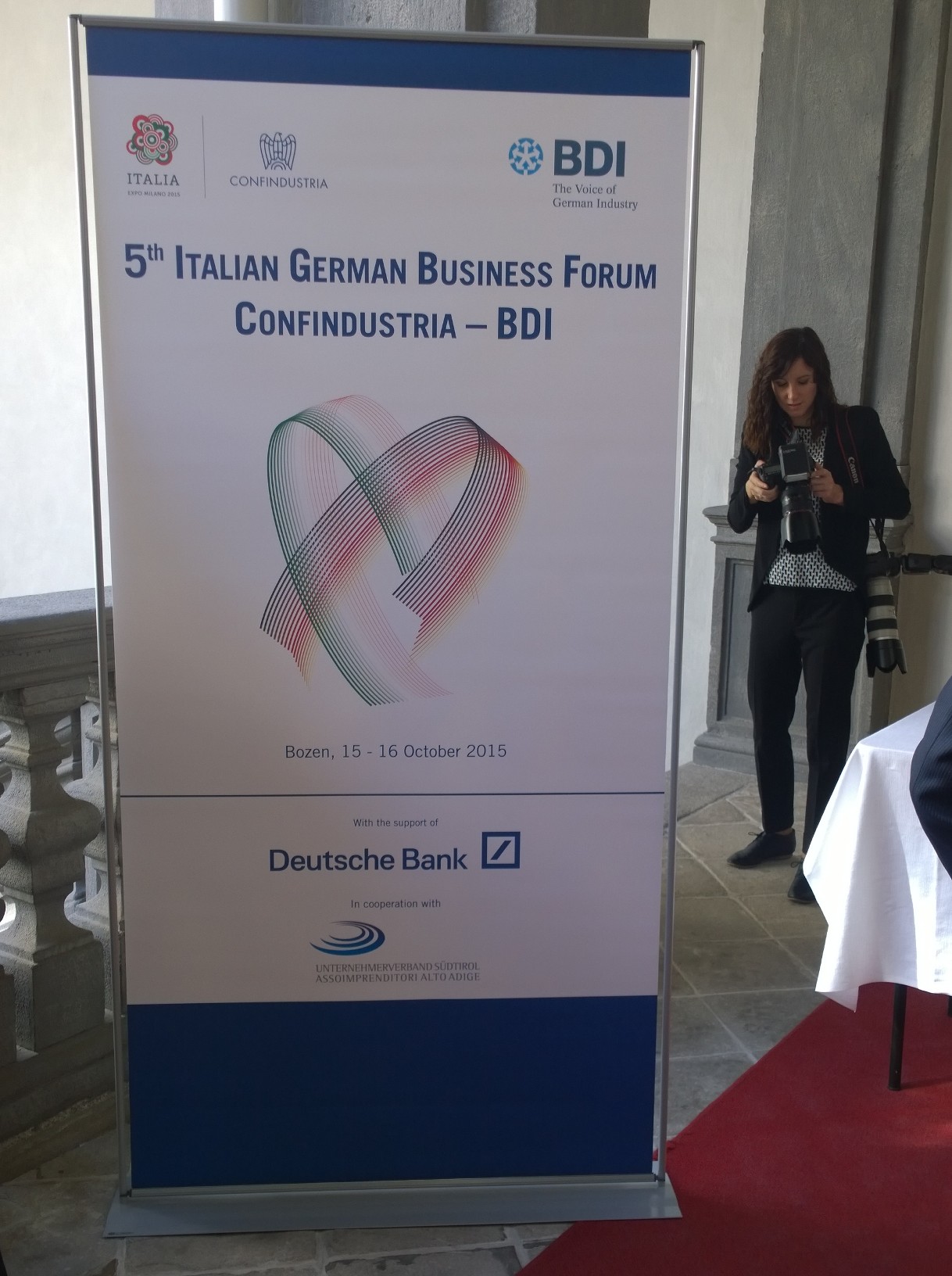
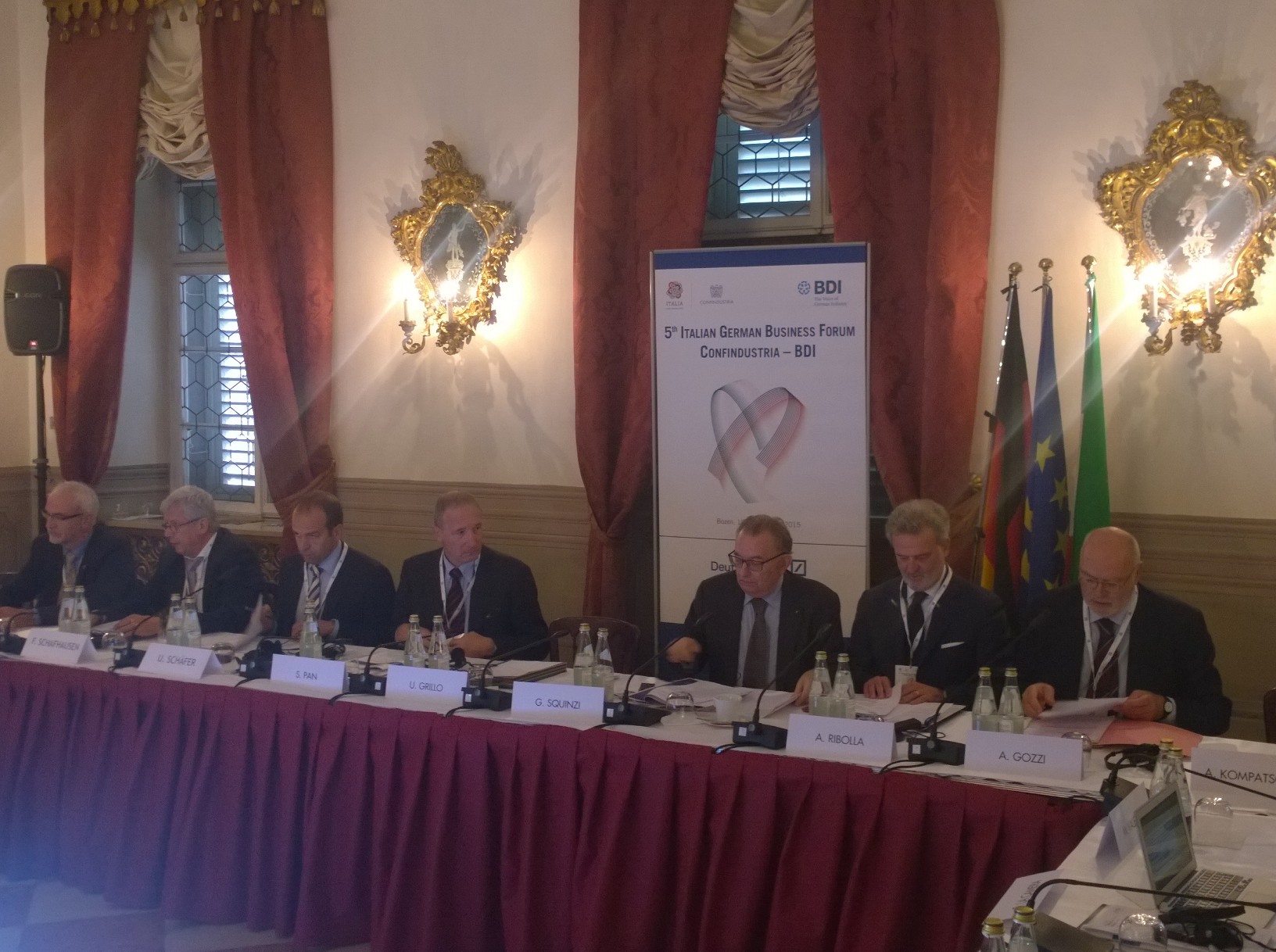
Statement by the President of Confindustria Lombardia, Alberto Ribolla
Bolzano, 15 October 2015 – We are already living in a future where the deciding factor is no longer just the cost of energy, but whether one has access to it in the necessary quantities and at the right time. In Italy (despite budget constraints) and across Europe, we must, on the one hand, incentivise energy saving and, on the other, promote energy production using available raw materials, whether renewable or otherwise, while ensuring they are ecologically and industrially sustainable.
Compliance with the ETS, as well as integration into the nascent Energy Union, must represent a call for a technological effort aimed at these objectives, rather than a threat of increased costs, bureaucracy, or even deindustrialisation. If approached in this way, it would present a significant opportunity for all those companies capable of innovating by investing in cutting-edge technologies.
To achieve this, we require both high-level policy and a strong unity of purpose between businesses, and between businesses and research centres, underpinned by a robust, supranational, and collaborative approach. This necessitates a long-term strategic vision and strong public-private partnership to incentivise such policy, particularly through cooperation between clusters.
CONFINDUSTRIA LOMBARDIA PRESIDENT ALBERTO RIBOLLA’S STATEMENT
Bolzano, 15 October 2015 – We are already living in a future where the deciding factor is no longer just the cost of energy, but whether one has access to it in the necessary quantities and at the right time. In Italy (despite budget constraints) and across Europe, we must, on the one hand, incentivise energy saving and, on the other, promote energy production using available raw materials, whether renewable or otherwise, while ensuring they are ecologically and industrially sustainable.
Compliance with the ETS, as well as integration into the nascent Energy Union, must represent a call for a technological effort aimed at these objectives, rather than a threat of increased costs, bureaucracy, or even deindustrialisation. If approached in this way, it would present a significant opportunity for all those companies capable of innovating by investing in cutting-edge technologies. To achieve this, we require both high-level policy and a strong unity of purpose between businesses, and between businesses and research centres, underpinned by a robust, supranational, and collaborative approach. This necessitates a long-term strategic vision and strong public-private partnership to incentivise such policy, particularly through cooperation between clusters.
subscribe to the EEN newsletter