

Date:
28 July 2016
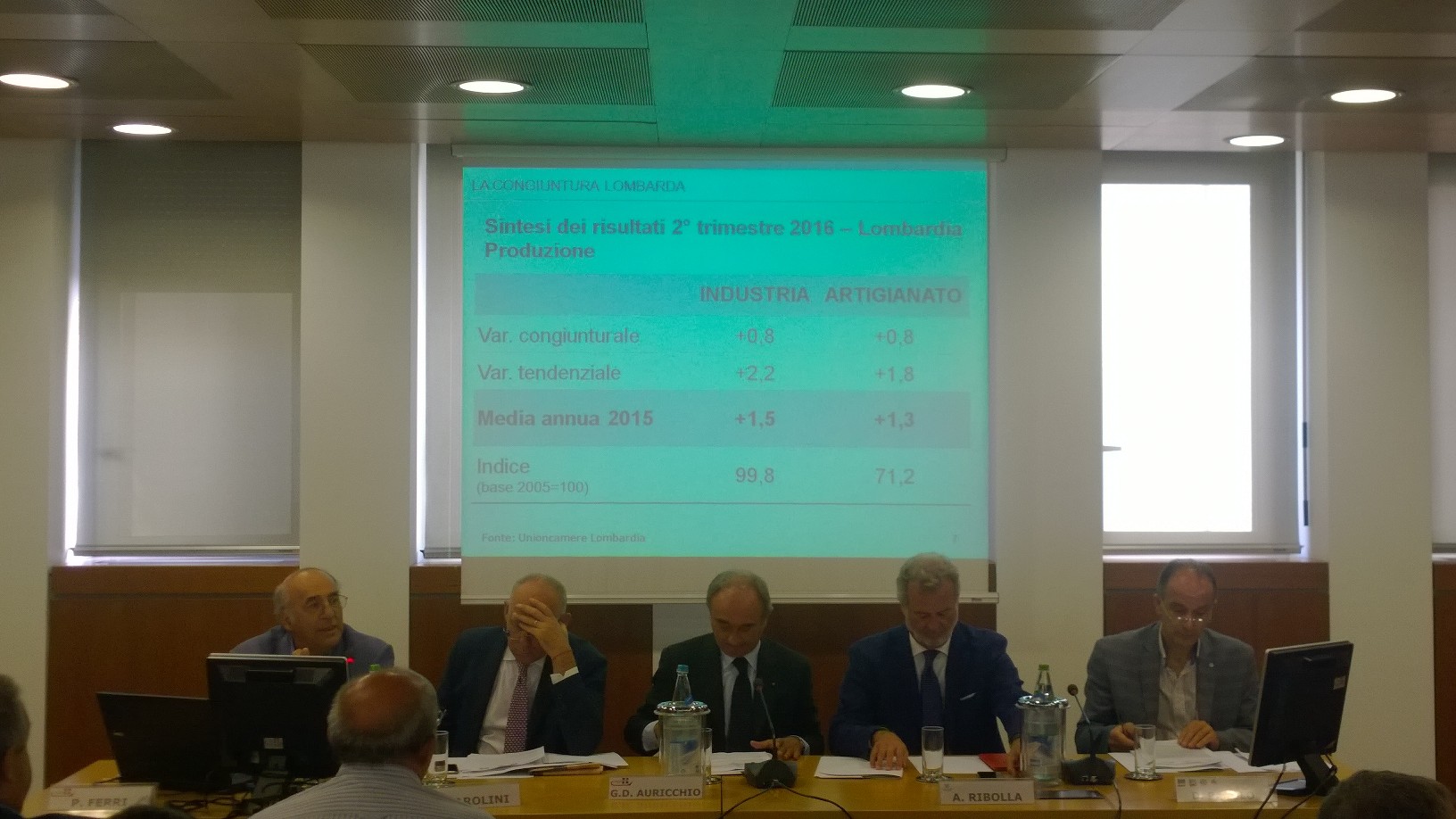
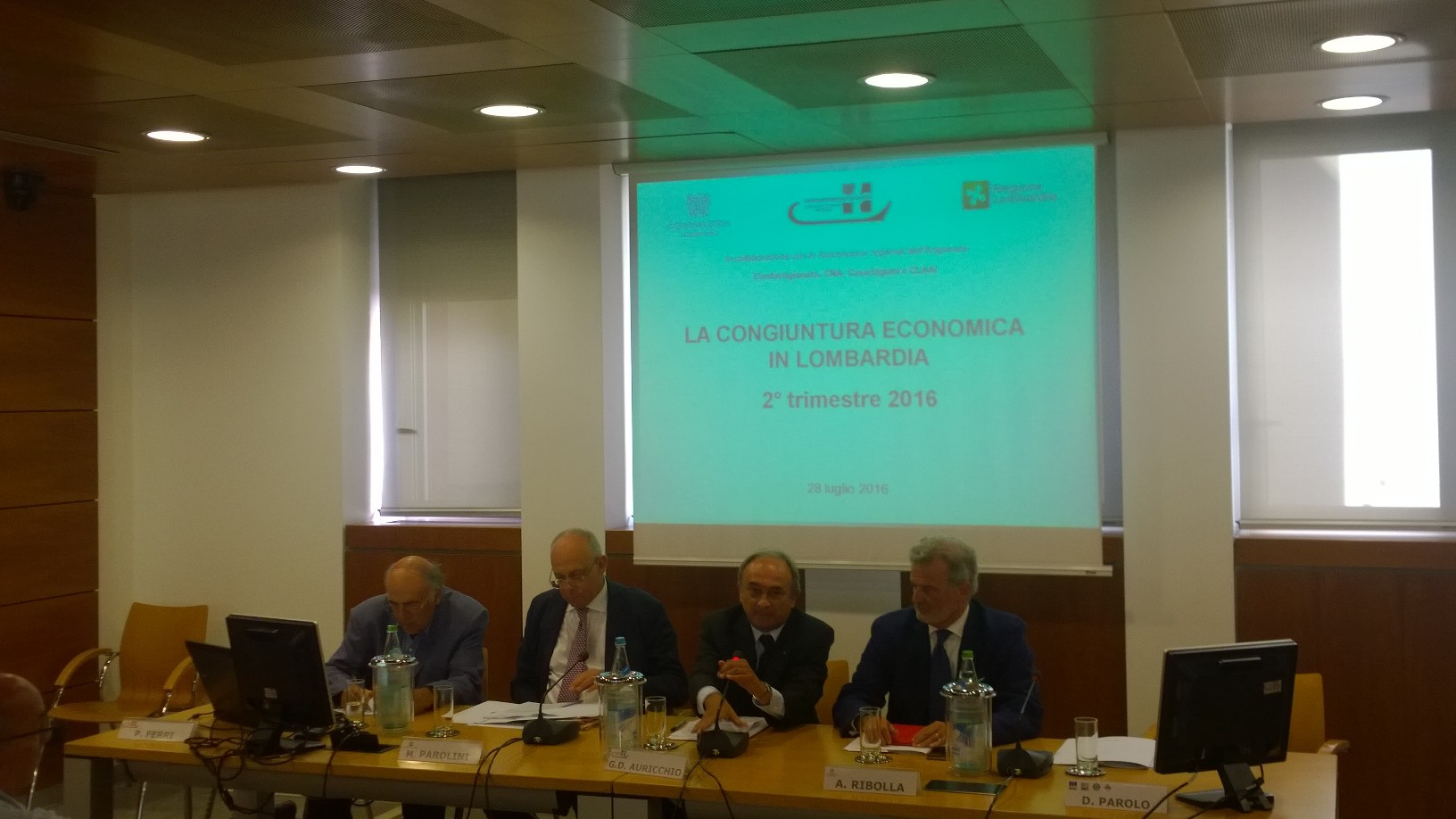
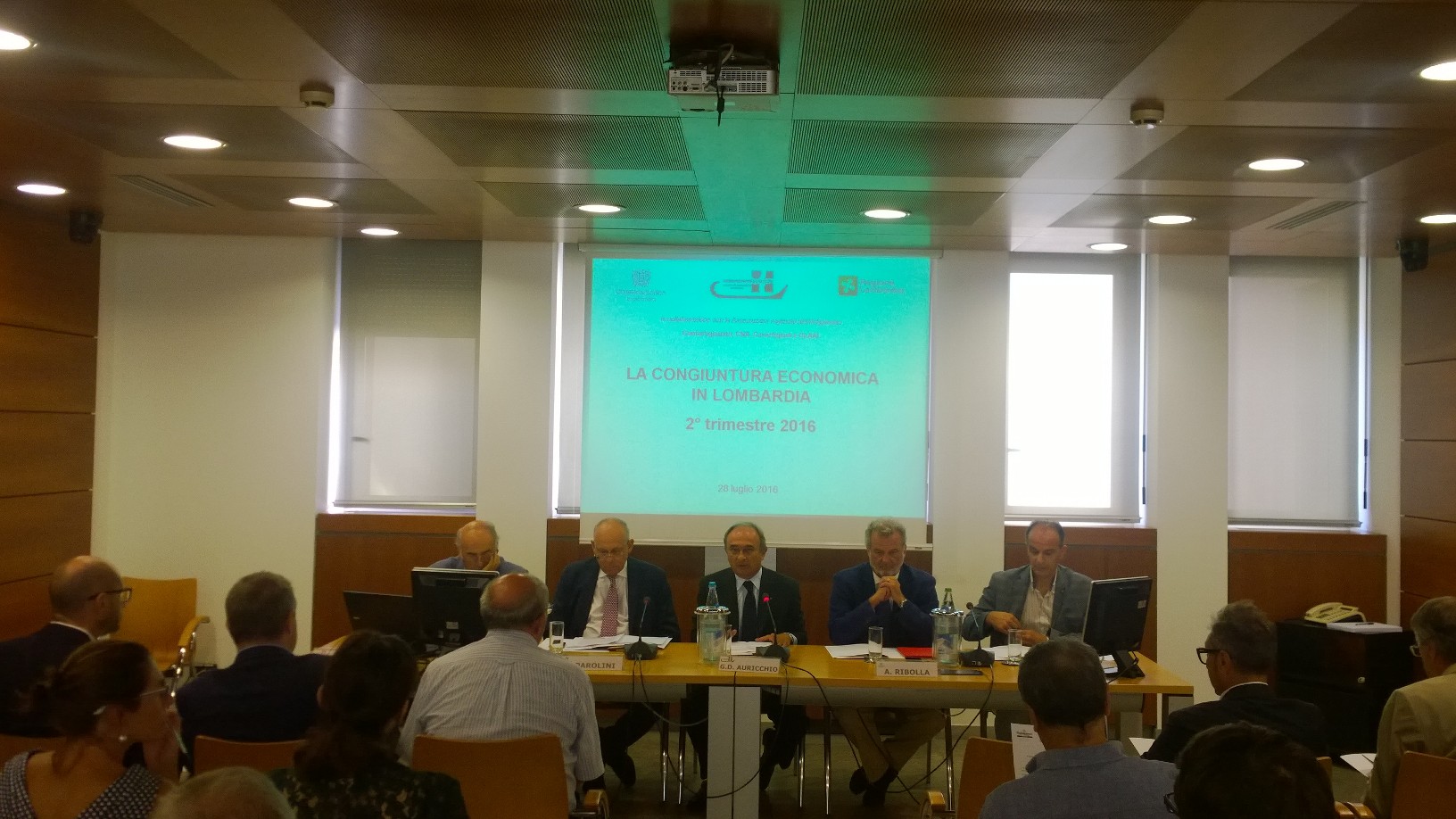
Statement by the President of Confindustria Lombardia, Alberto Ribolla
Milan, 28 July 2016 – The second quarter of 2016 has proven surprisingly positive for Lombardy's industry. Data from the economic analysis by Unioncamere and Confindustria Lombardia are almost entirely positive, with the exception of domestic orders. It is clear that the economic situation in Lombardy has not yet been affected by Brexit; while its effects remain difficult to predict, we are working with other regional economic and institutional stakeholders to turn them into opportunities for our regions and businesses.
Looking at the details of the analysis, the momentum in industrial production is striking, recording a 0.8% increase compared to the previous quarter (and a 2.2% increase compared to the same period last year). Production was clearly driven by foreign orders (+1.7%), which account for 40.8% of total turnover (+0.5% compared to Q1 2016).
At a national level, the Confindustria Study Centre had warned of a decline in industrial production (down to -0.1% from +0.5% in the first quarter), demonstrating that if Italy is to grow, Lombardy must move at double speed.
However, our businesses are too dependent on foreign markets, as confirmed by the sharp slowdown in domestic orders (-1.2% quarter-on-quarter). This reliance on foreign markets exposes our companies to numerous external shocks and penalises smaller firms. To address what is increasingly becoming Italy's weak point, Confindustria Lombardia has long identified public intervention—through investment, fiscal policy, and incentives—as the only way to stimulate the domestic market for the benefit of the entire Italian economy.
Lombardy's manufacturing production index (99.8) is increasingly positive, now on the verge of reaching the Eurozone level and remaining well above the national index (83). Furthermore, when compared with the 'Four Motors for Europe', Lombardy's industrial production is second only to Baden-Württemberg, and ahead of the French average and Catalonia.
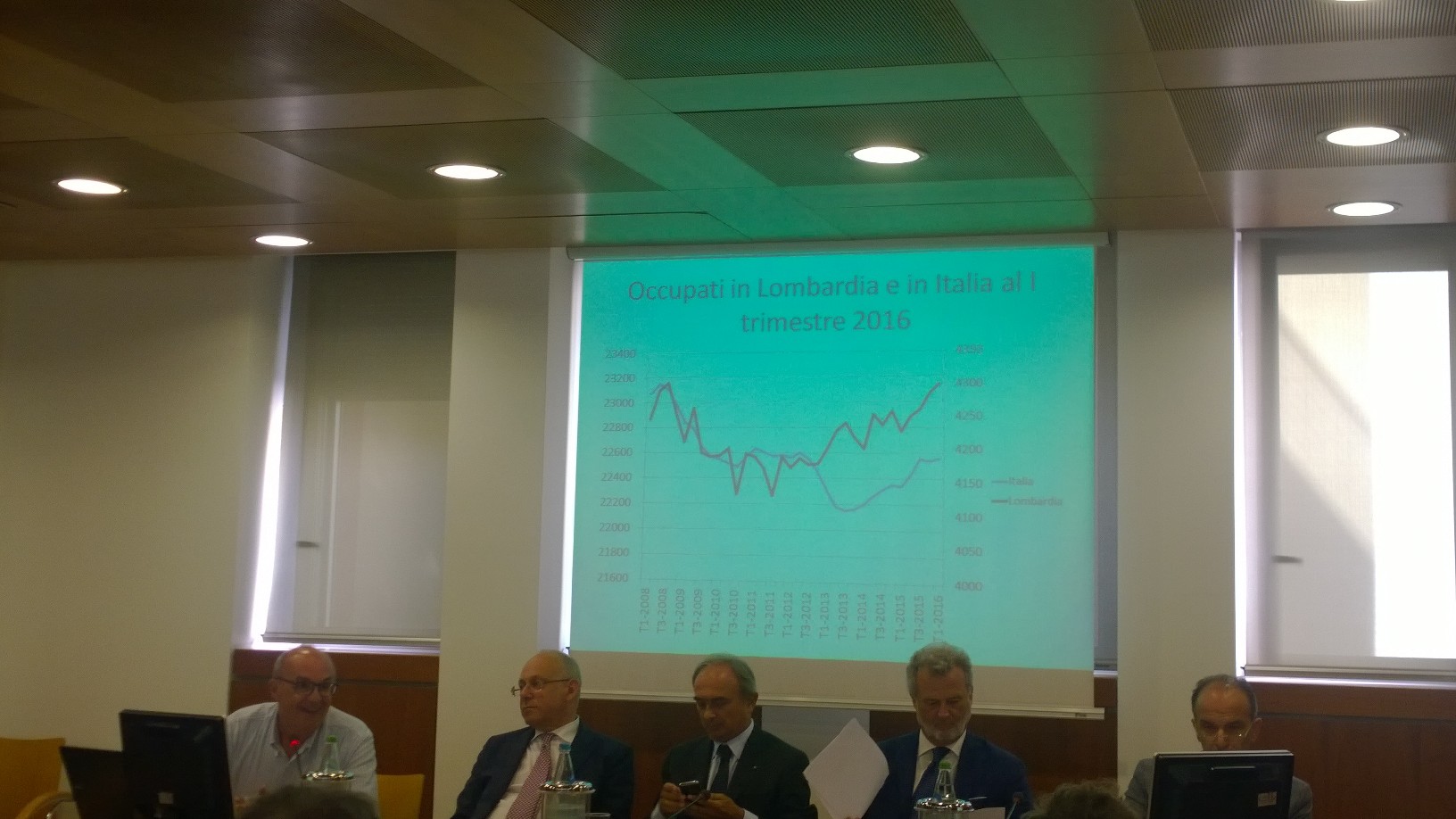
As for the labour market, the quarter just ended is positive but essentially stagnant (+0.2%). Despite the flat market, the further decline in the CIG (to 12.7) is good news, as it indicates the reabsorption of the workforce.
As also confirmed by the Labour Market Report from Confindustria Lombardia, our region possesses a strong entrepreneurial fabric capable of withstanding years of crisis and reacting to external shocks, with a high level of entrepreneurial responsibility and a strong international outlook.
However, we must act quickly, in concert with all stakeholders, to transform those factors critical to competitiveness from burdens into opportunities.
subscribe to the EEN newsletter